
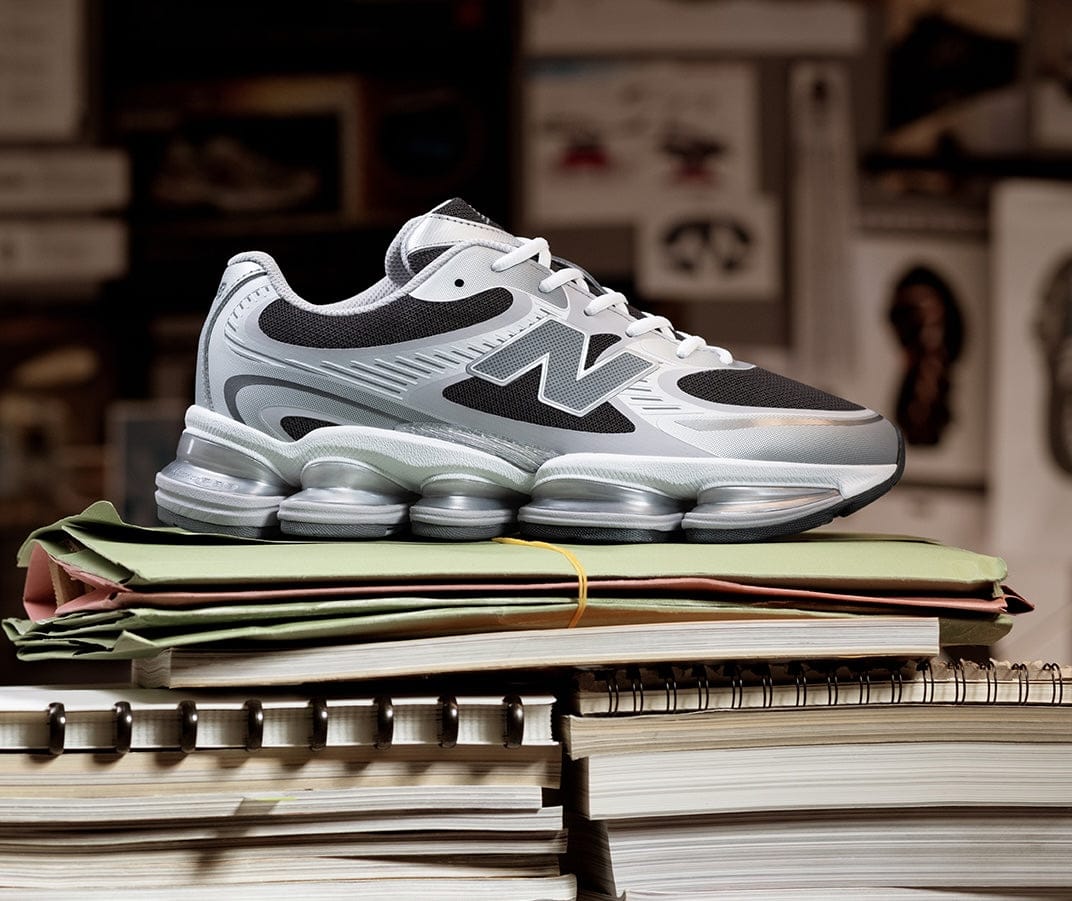
There’s a point where a technical feature stops being functional support and starts becoming identity. That’s exactly where New Balance lands with the ABZORB 2000.
Instead of building a sneaker and adding cushioning underneath, this time the brand flipped the formula. The sole isn’t just part of the shoe—it is the shoe. Everything else feels like it exists to frame it.
That decision taps into something familiar but approaches it differently. Models like the New Balance 1906R or New Balance 530 have always relied on ABZORB as a quiet performance detail. Here, it’s exaggerated to the point where it defines the silhouette entirely—chunky, sculptural, and impossible to ignore.
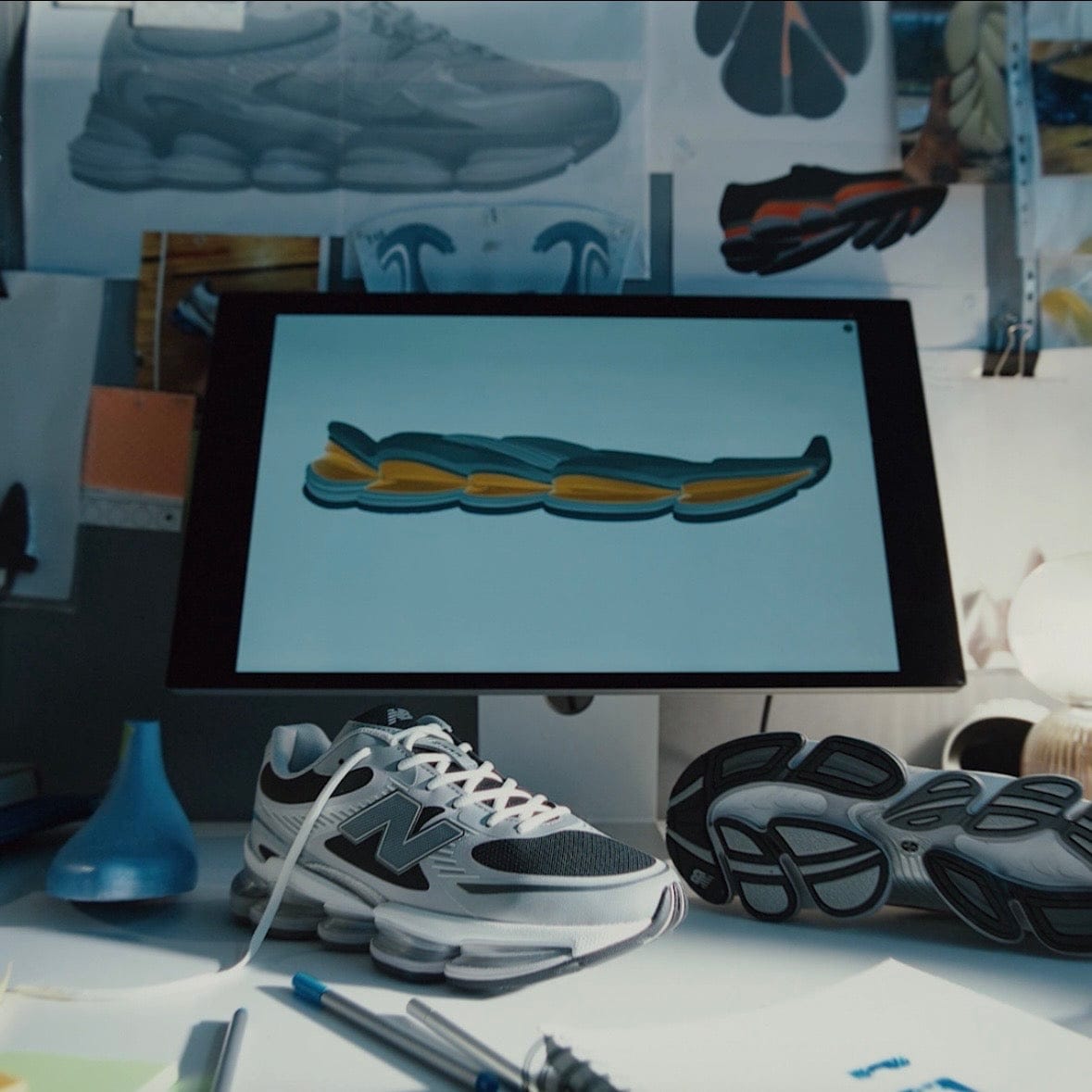
There’s a clear early-2000s influence running through it, but not in the way we’ve come to expect. This isn’t about digging up an old design and bringing it back unchanged. It’s more like isolating one visual idea from that era—the obsession with visible tech—and pushing it further than it ever went back then.
That forward-thinking approach also shows up behind the scenes. Designer Charlotte Lee approached the project by blending archive references with newer tools, including virtual design processes. It’s a mix of analog inspiration and digital execution, which mirrors how the shoe itself feels: nostalgic at a glance, futuristic on closer look.
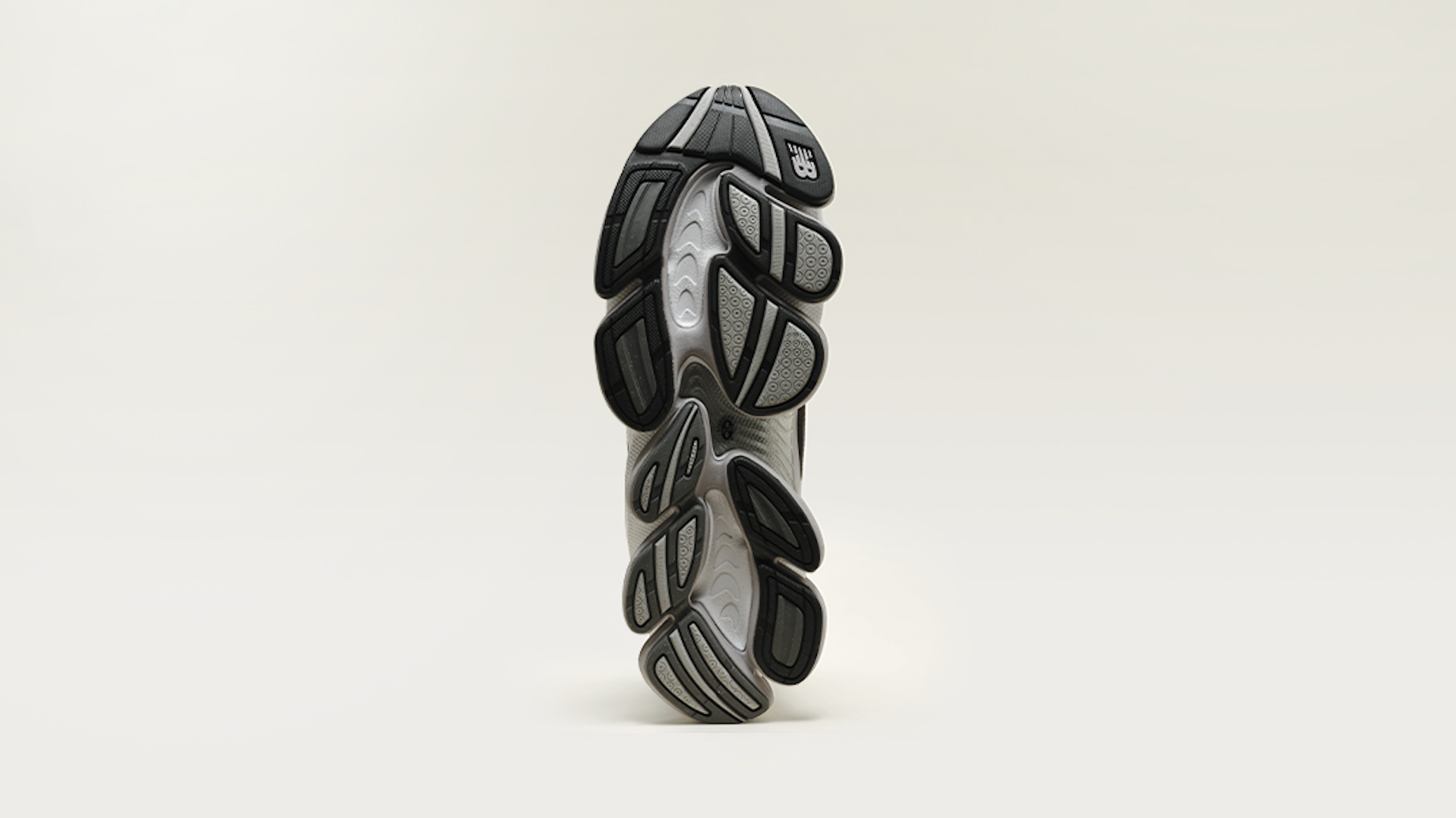
The ABZORB 2000 ends up sitting in an interesting space. It’s not a throwback, and it’s not purely experimental either. It’s more like a reinterpretation of what performance aesthetics can look like when you stop treating them as background details.
For anyone paying attention, this isn’t just another addition to the lineup. It’s a shift in emphasis—proof that even something as familiar as cushioning can become the starting point for something entirely new.