
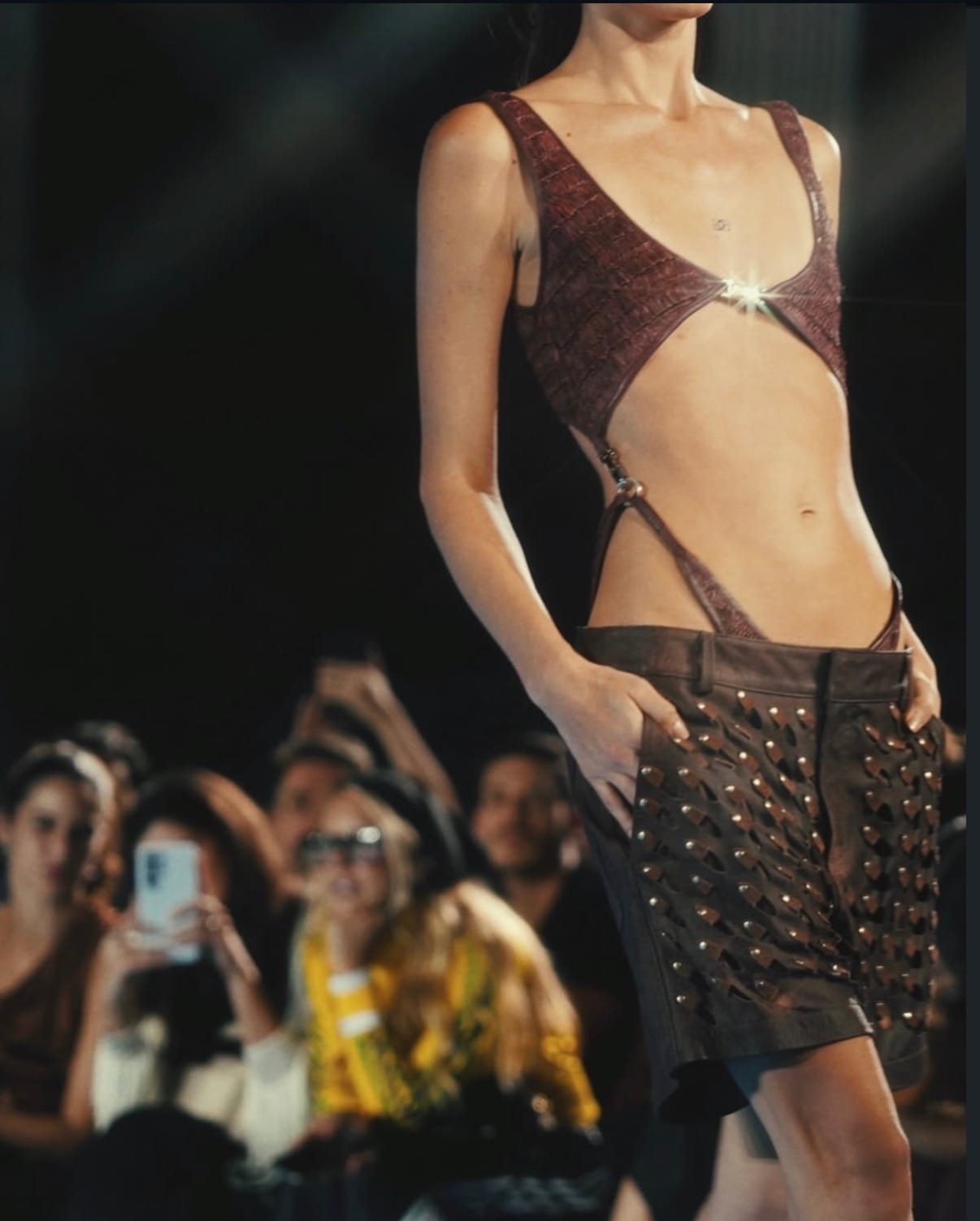
Laser cutting, rivets, and a collaborative process that treats technique not as a means to an end — but as the point entirely.
Most fashion hides its construction. The seams are finished, the hardware is tucked, the process disappears into the product. MISCI does the opposite — and in doing so, arrives at something that feels genuinely different from what most experimental fashion is reaching for right now.
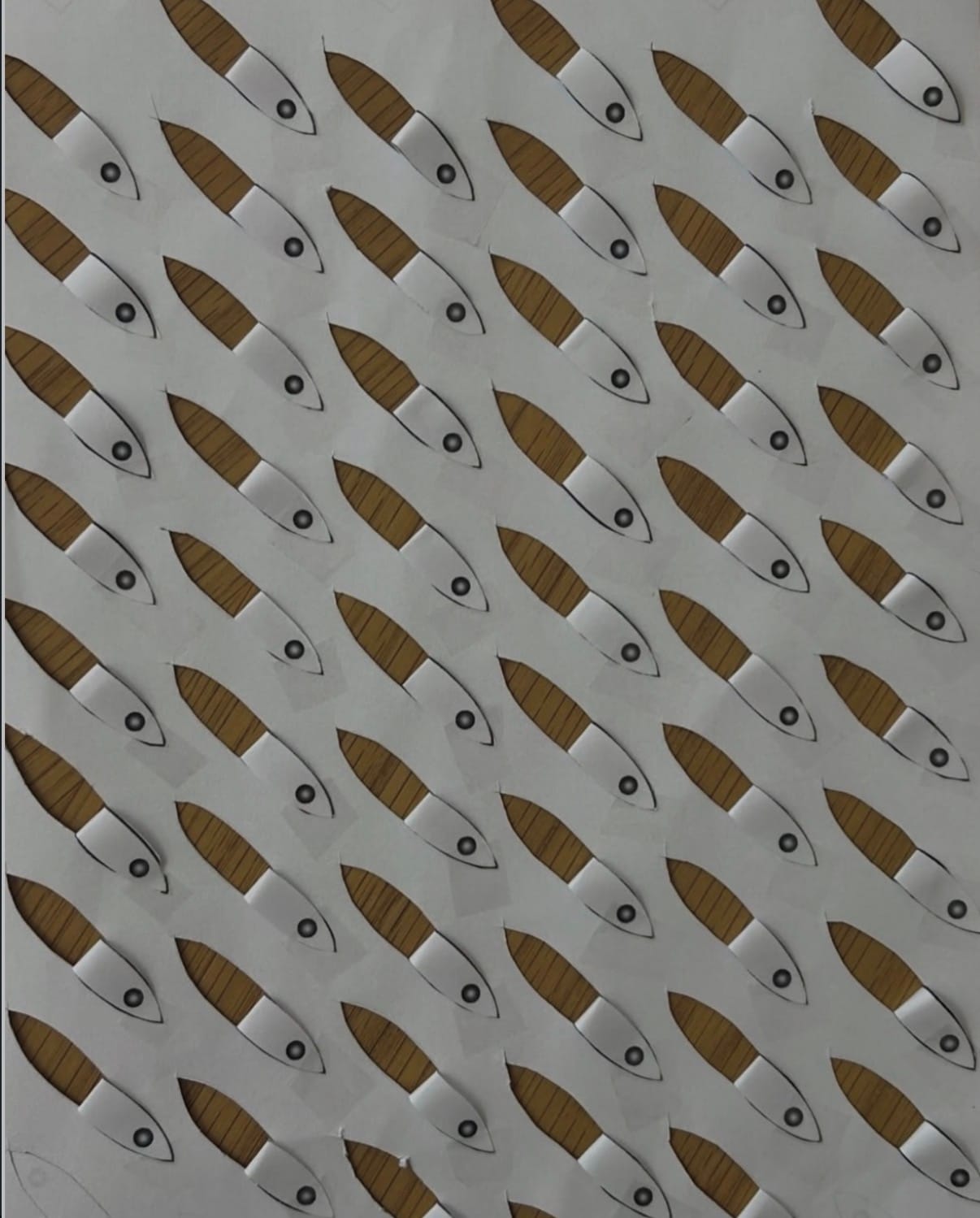
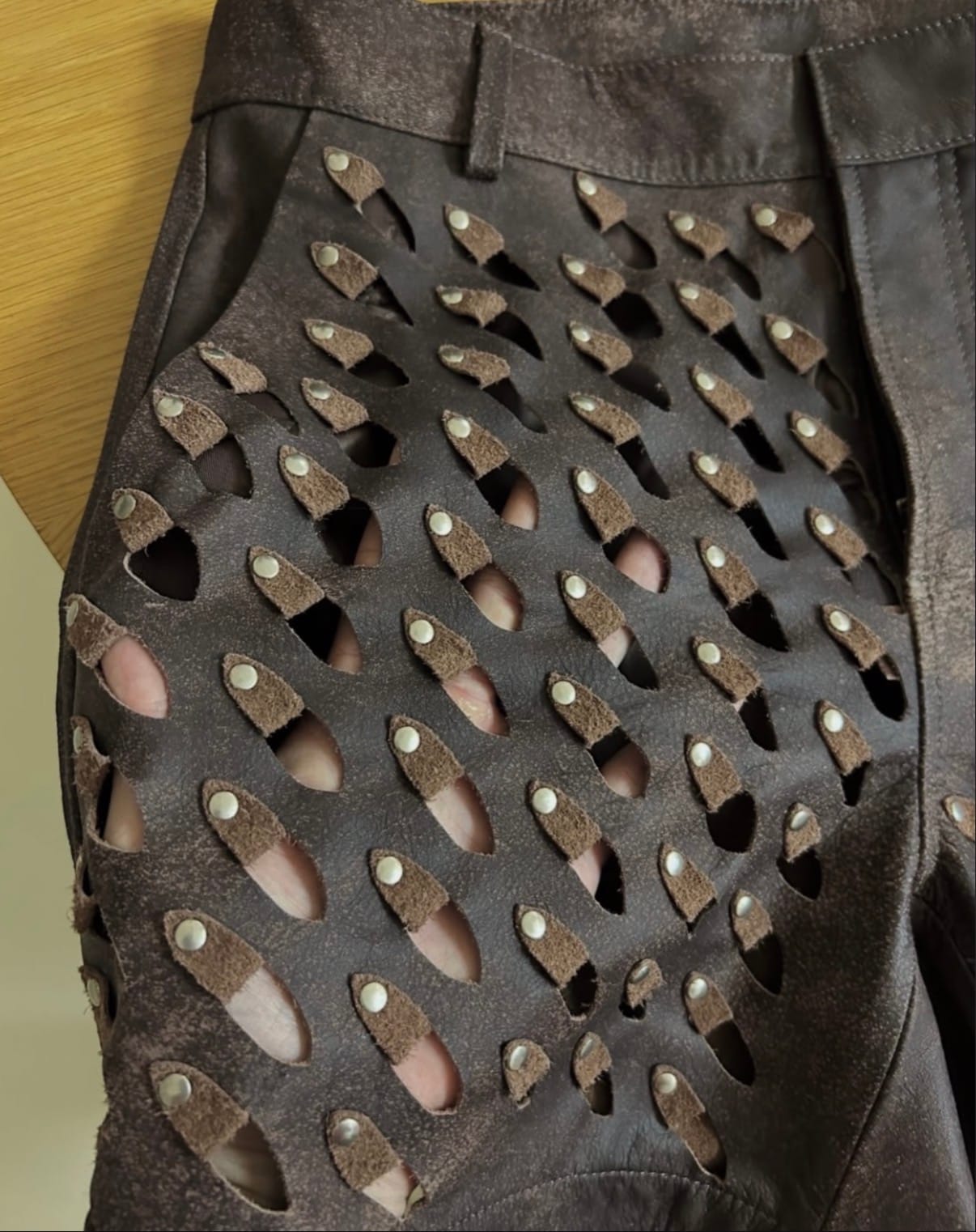
Working alongside Maxime Dufour, Airon Martin, Lele Zanotto, Alice Radeke, and Gabie de Bortoli, MISCI's latest project uses laser cutting and rivet techniques not as finishing details but as the foundational visual language of the work itself. Precision-cut materials sit against industrial riveting, structure collides with surface, and the result is a series of pieces that feel simultaneously engineered and deeply tactile — objects that reward close attention because the closer you look, the more the process reveals itself.
"The laser cut isn't decorating the garment. The rivet isn't holding it together. They are the garment — the technique and the object are the same thing, which is a harder position to arrive at than it sounds."
What makes the project compelling is that the experimentation isn't directed toward a predetermined result. The process itself is the exploration — each cut, each placed rivet, each decision about where precision meets rawness is part of an ongoing conversation between the collaborators and the material. That kind of open-ended making produces work that carries a different energy than designed-to-conclusion fashion. You can feel the inquiry in the pieces. They don't feel finished so much as arrived at.
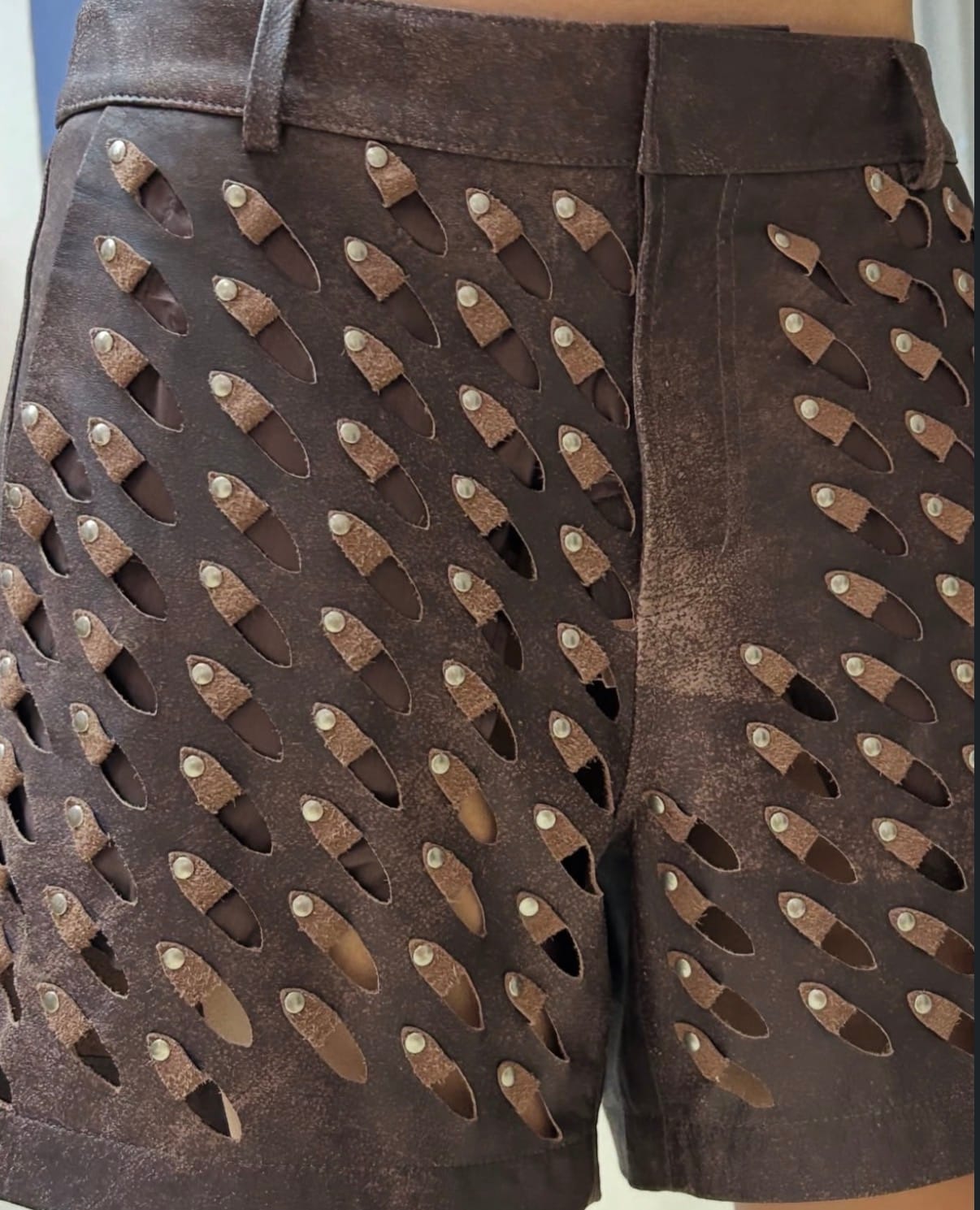
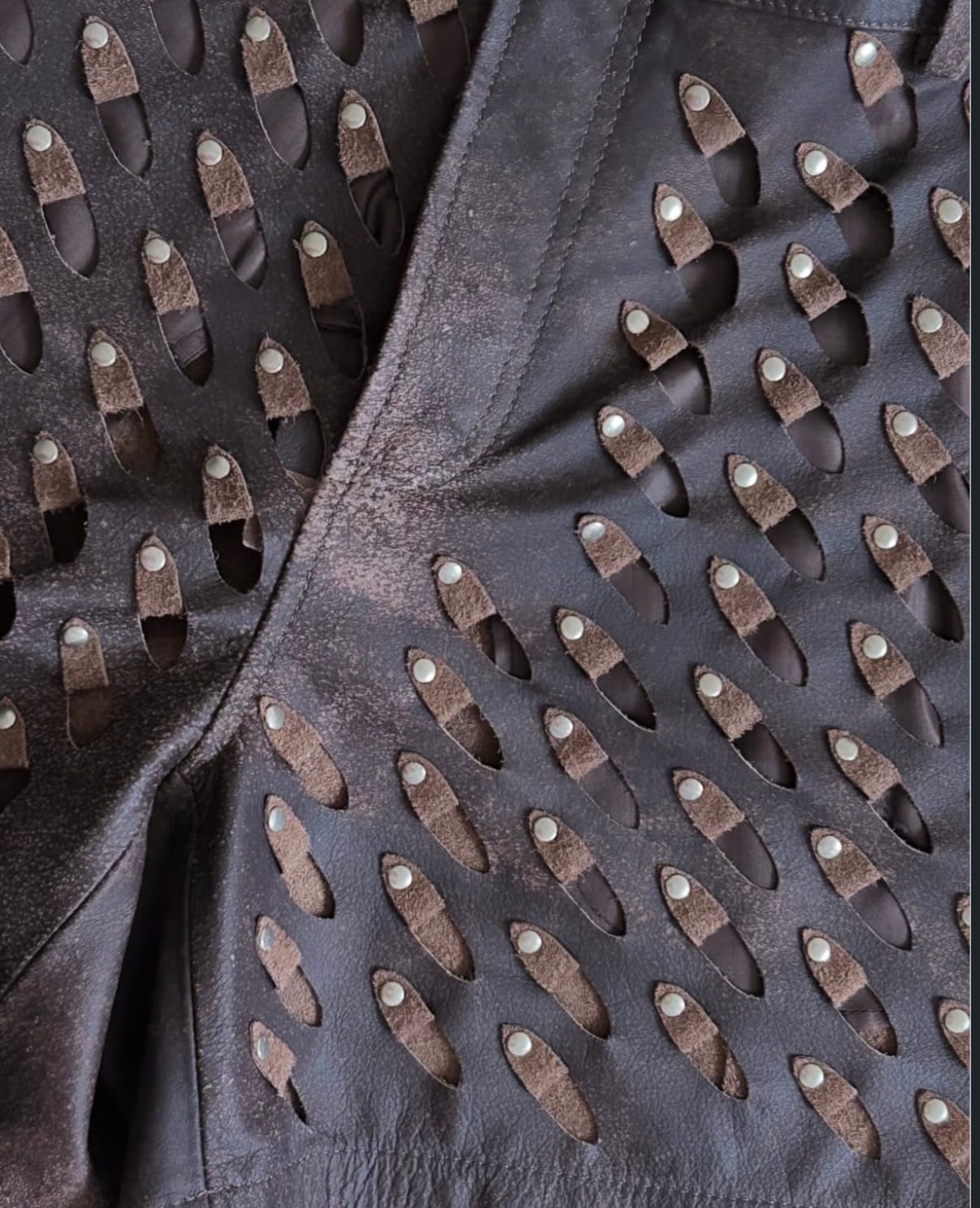
The collaboration structure matters here too. Five people working through the same set of techniques means the outcomes carry multiple perspectives on the same problem — how structure and surface relate, where industrial meets tactile, what a garment looks like when its construction has nothing to hide. MISCI answers those questions not by resolving them, but by making the questions visible. That is exactly what experimental fashion should do, and very few projects do it this cleanly.