
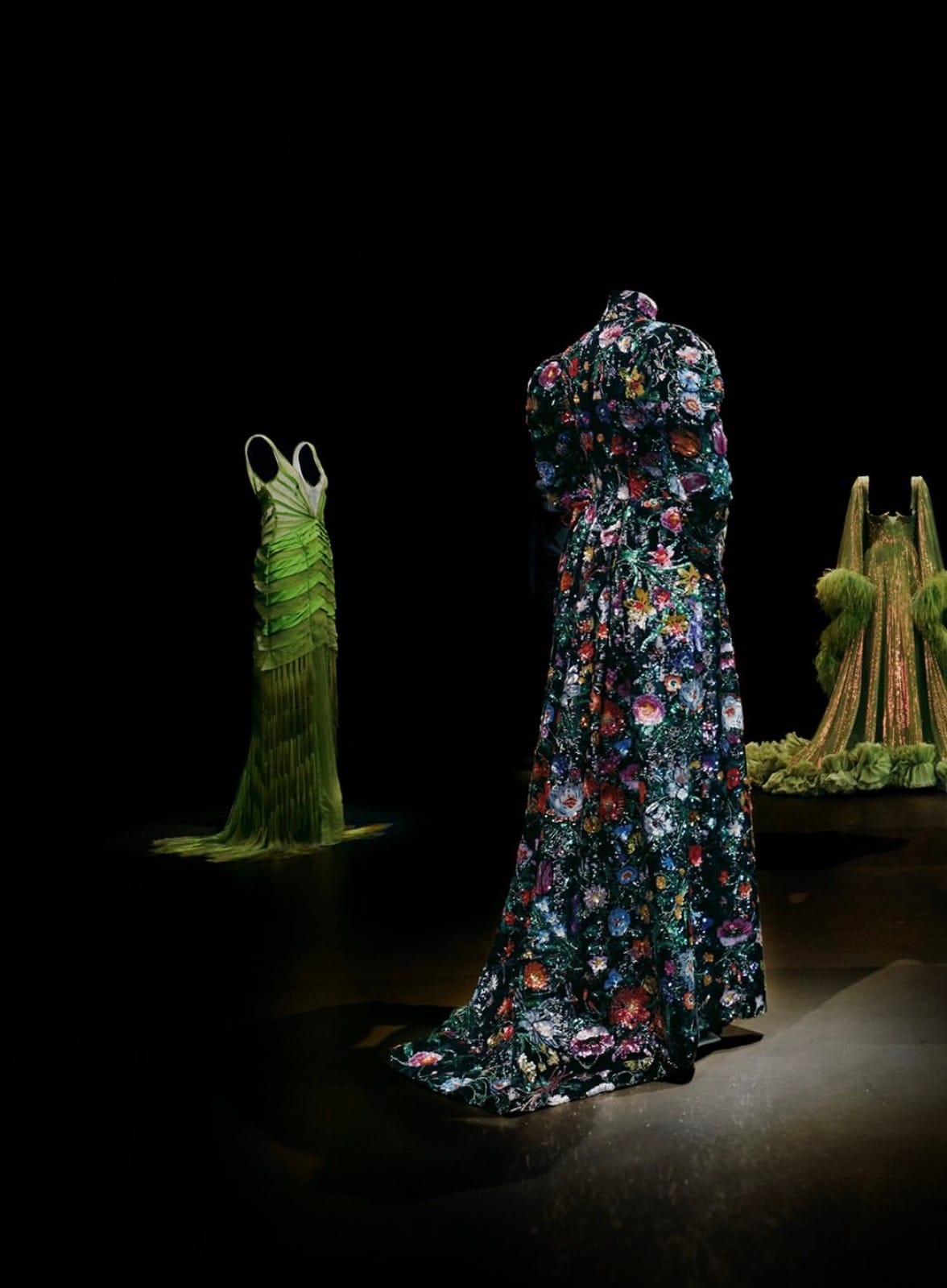
There are cities that exist as backdrops for fashion, and then there is Florence — a city that doesn't host fashion so much as produce it, in the deepest sense of the word. The Renaissance was built here. The Uffizi stands here. And Gucci was born here, in 1921, in a city that had already spent five centuries understanding what beauty, craft, and cultural permanence actually mean. When Gucci returns to Florence, it isn't a homecoming. It's a conversation resuming.
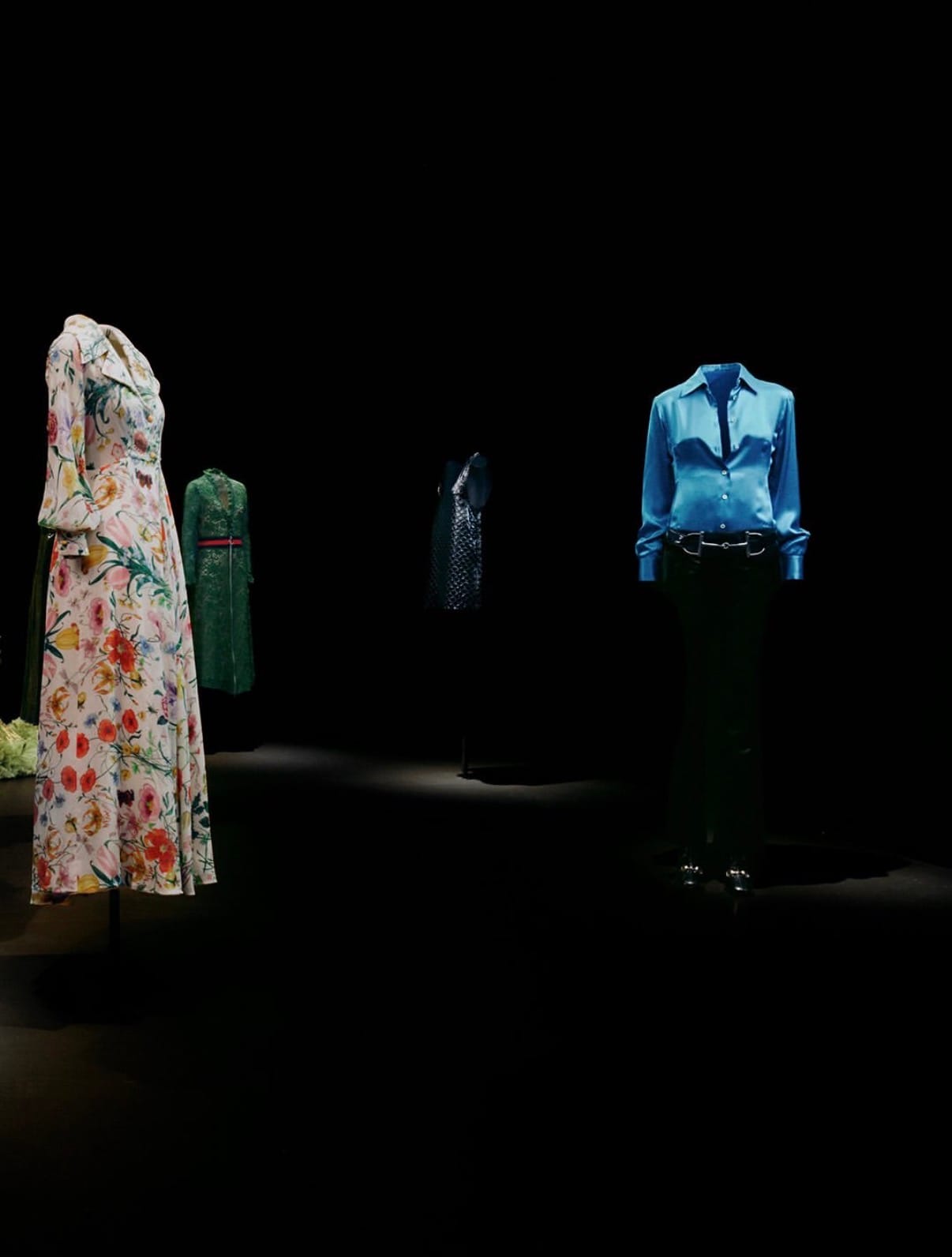
This month, Palazzo Gucci reopened in Florence with Gucci Storia — a new exhibition under artistic director Demna, housed within the 14th-century Palazzo della Mercanzia in Piazza della Signoria, steps away from the Uffizi Gallery. The space, which first opened in 2011 under Frida Giannini and was later overhauled by Alessandro Michele as Gucci Garden in 2018, now enters a new chapter — one that feels less like a rebrand and more like a deepening.
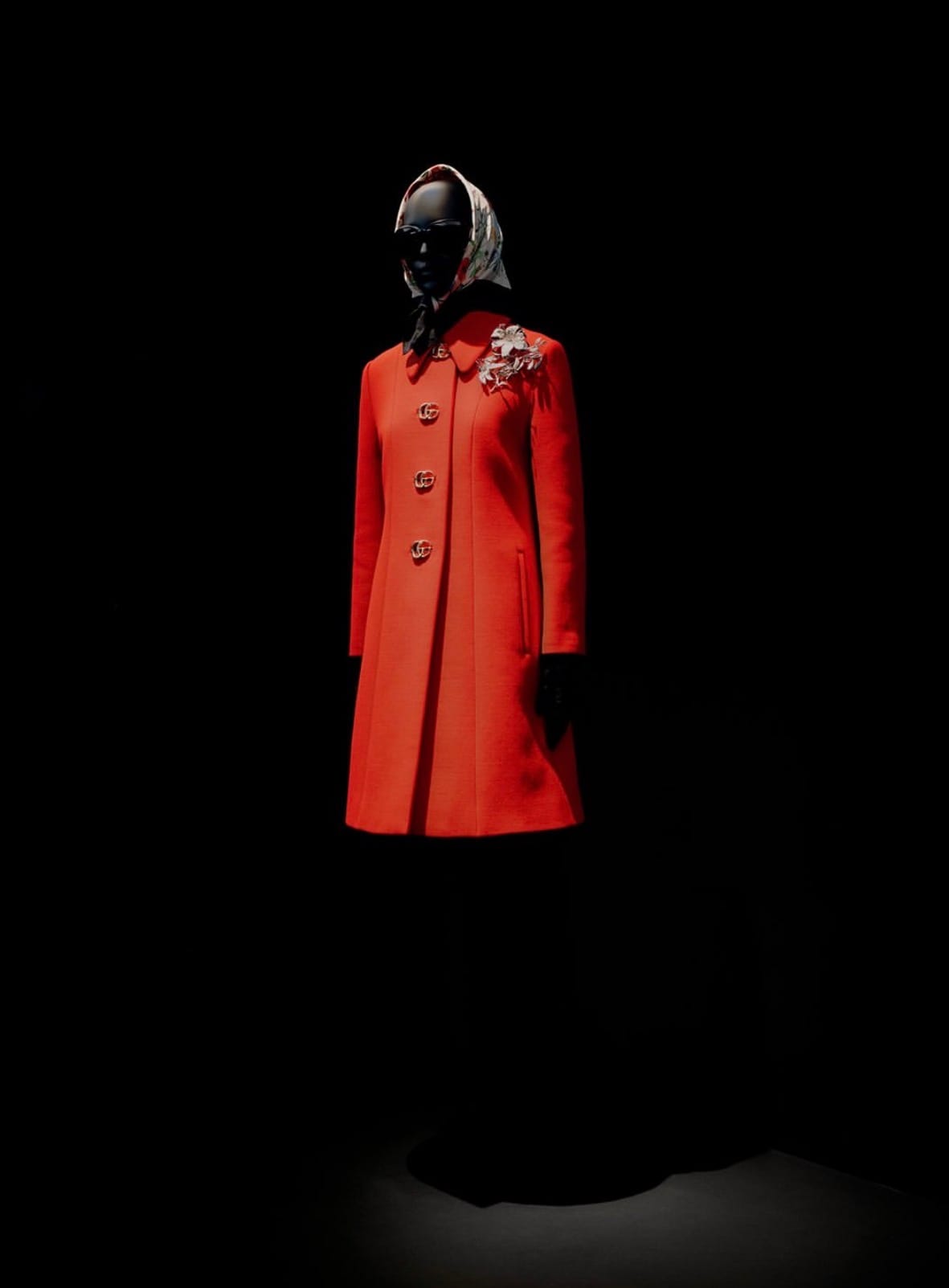
What Demna and the Gucci team have built inside Palazzo della Mercanzia is not an archive in the conventional sense. It doesn't ask you to look at the past from a safe distance. It asks you to move through it. The first room, dubbed "The Thread of Time," lines its walls with elaborate tapestries — historically a craft associated with Florence — forming a visual and symbolic chronicle of the house's 105-year history. Further in, "La Manifattura" juxtaposes archival tools and prototypes with contemporary technology drawn from Gucci's ArtLab in Florence, while the final installation, "L'Oracolo," introduces an interactive digital element that allows visitors to engage with curated content directly. Past and present running in parallel, neither one subordinate to the other.
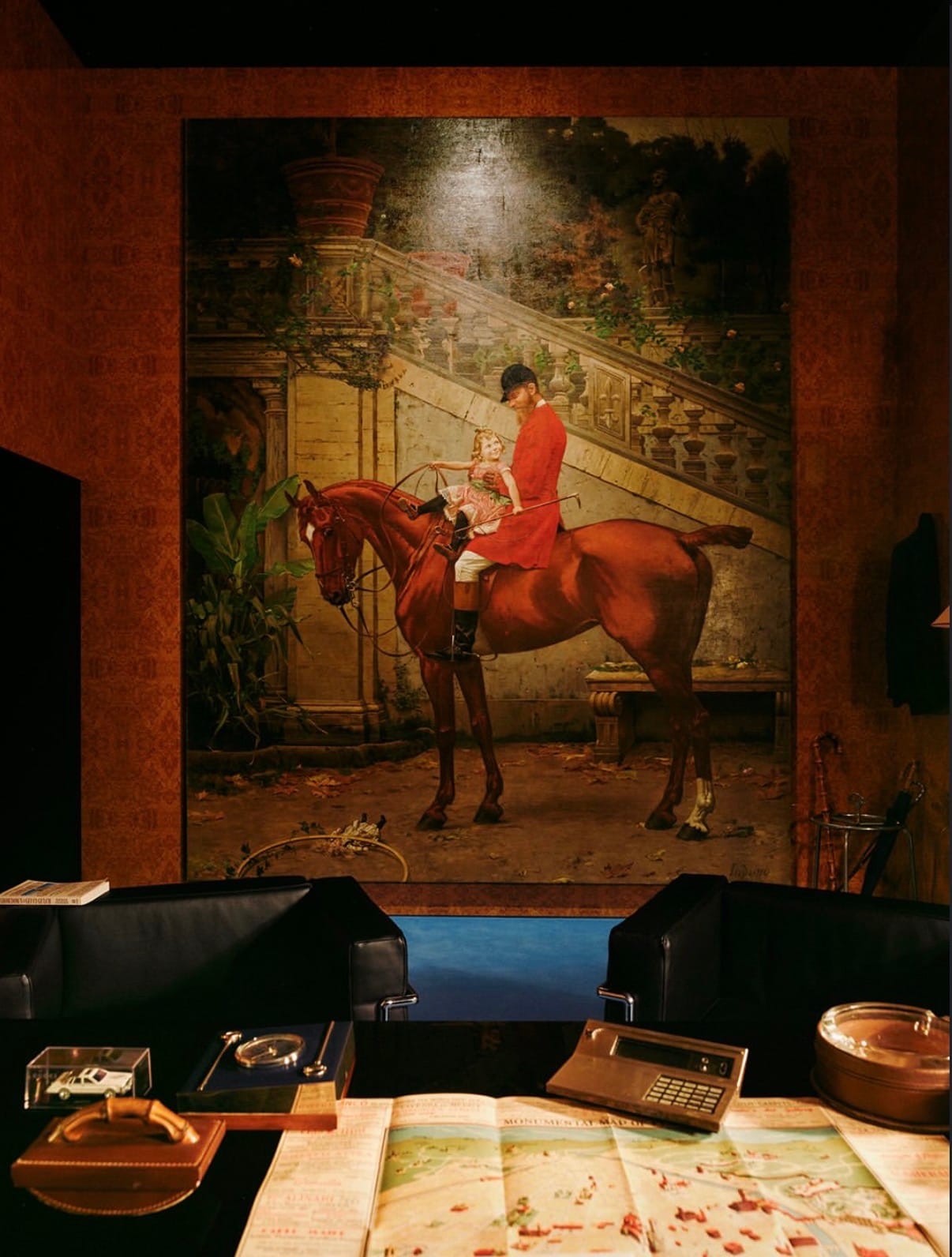
Demna has spoken about the significance of the location with a clarity that feels personal rather than promotional: "Palazzo Gucci, to me, embodies the importance of this house in Italian culture. It's where I first understood this when I went to visit the Uffizi Museum. It was the first thing I saw after leaving, as I stepped onto Piazza della Signoria." That image matters. The Uffizi — one of the greatest repositories of human creative achievement — and then, immediately after, Gucci. The implication isn't arrogance. It's continuity. The argument that craft, when pursued with genuine conviction across enough time, earns its place in the cultural fabric of a city in ways that outlast any single collection or season.
Florence is that argument made physical. The city is defined by its museums, yes — but more precisely, it's defined by its understanding that making things well is a form of civilisation. Florentine craftsmanship isn't a selling point. It's a worldview. And Gucci, founded here and shaped by the same hands and traditions that shaped everything else the city produced, is part of that ongoing narrative rather than a visitor to it.
Gucci Storia understands this completely. It doesn't position the brand as a product of Florence in the way that a certificate of origin might — it positions Gucci as part of the city's living story, something that continues to happen here rather than something that merely began here. The dialogue between heritage and reinvention that runs through the exhibition is the same dialogue Florence has been having with itself for centuries: how do you honour what came before without being imprisoned by it? How do you move forward without losing what made you?
The answer, here as everywhere in this city, is craft. Patience. The willingness to take the long view. Gucci Storia doesn't just tell the story of a house. It tells the story of a place, and why some things — when made with enough care, in the right city, by the right hands — endure.