
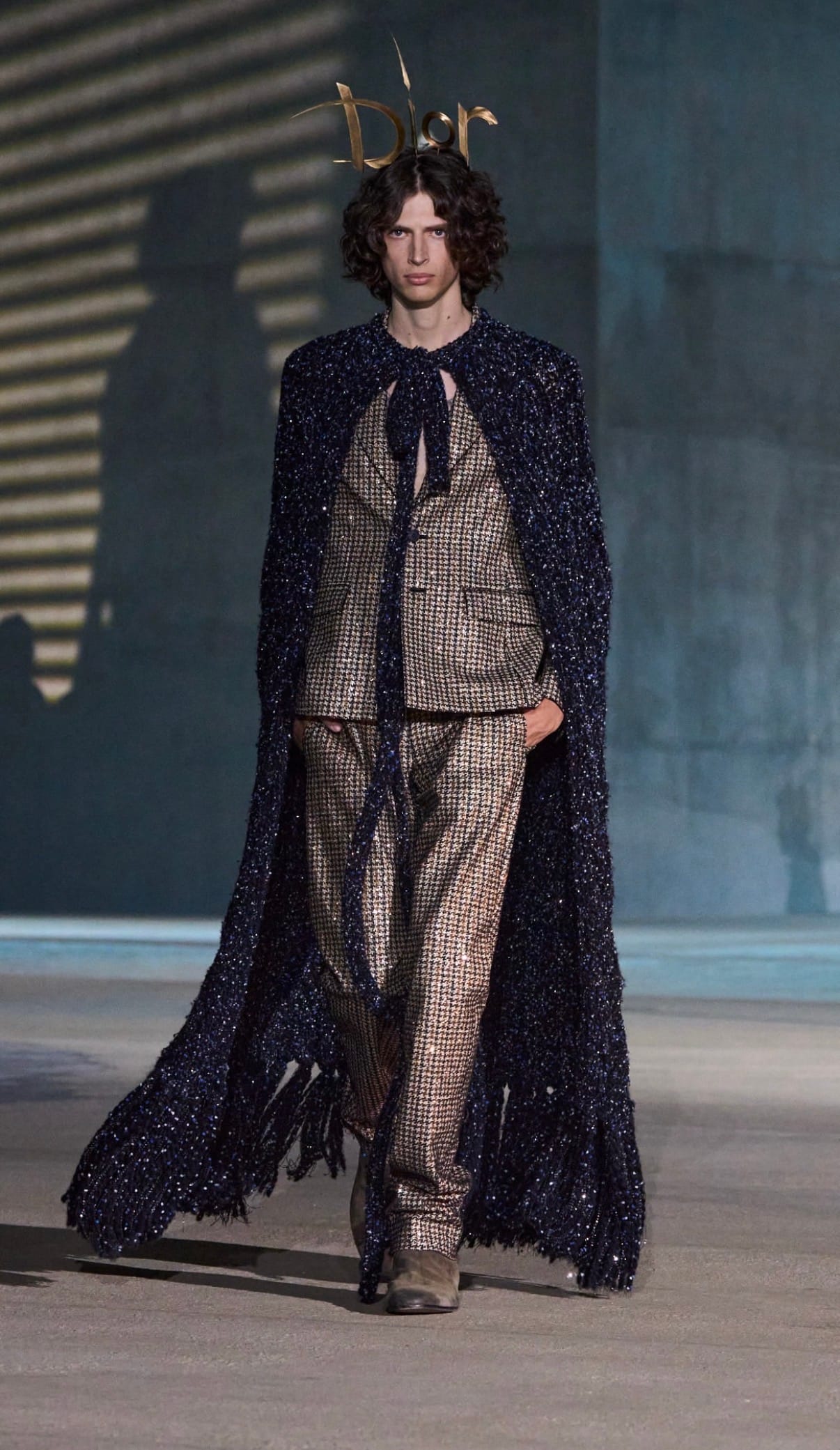
Set at LACMA against a backdrop of vintage convertibles and ornamental streetlights, Cruise 2027 reaches back to Hollywood's golden era — and reminds us that Dior was always in the business of myth-making.
Marlene Dietrich once said: "No Dior, No Dietrich." It is one of fashion's great lines — not because it flatters the house, but because it tells the truth about what the relationship actually was. Dior didn't dress Dietrich. They built each other. The glamour was mutual, the myth was co-authored, and the image that resulted belonged to both of them equally. Jonathan Anderson walked into that history for his first Cruise collection at Dior, set it inside the grounds of the Los Angeles County Museum of Art, and made very clear he understood exactly what he had inherited.
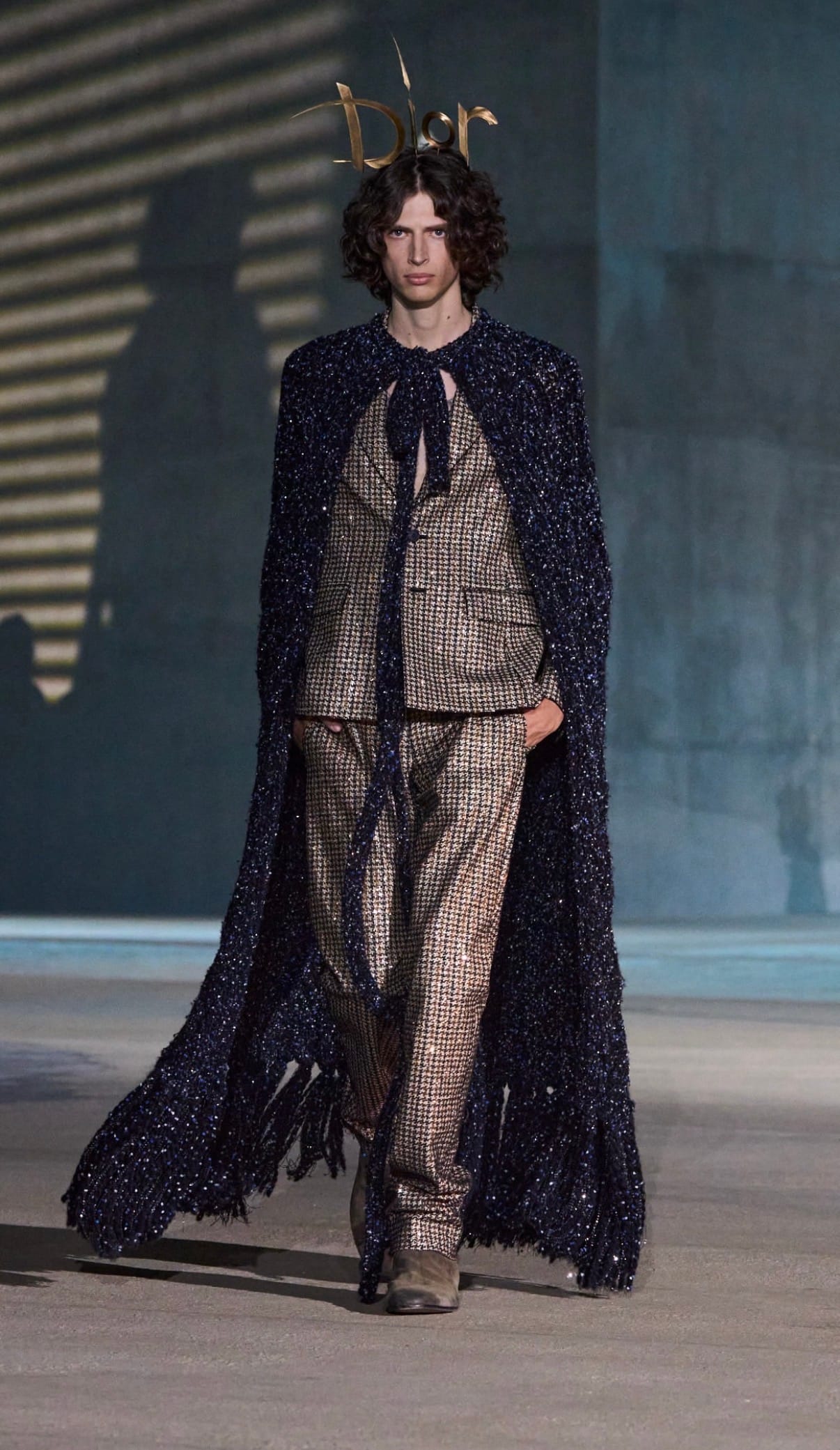
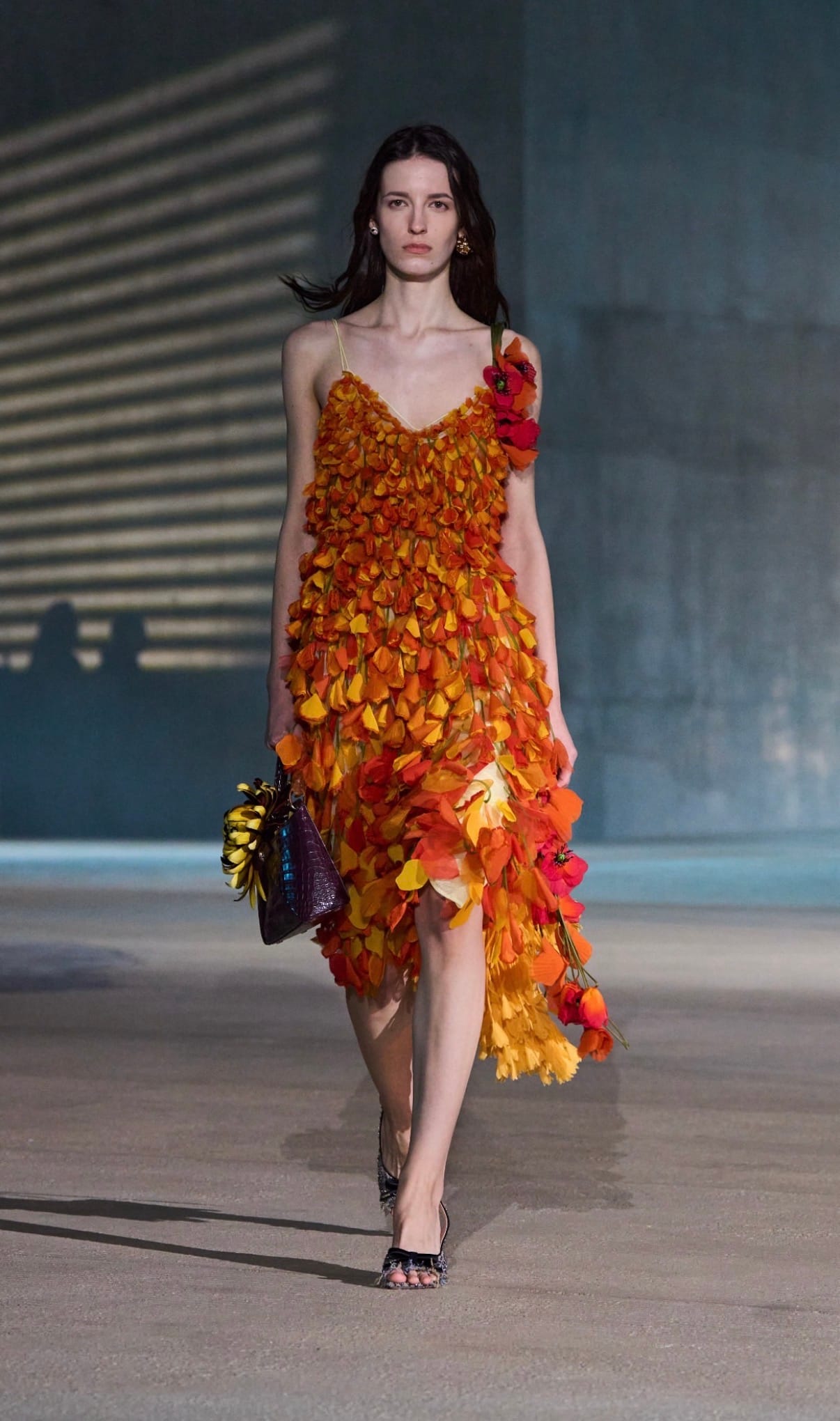
The setting did significant work. LACMA transformed into a cinematic illusion of Los Angeles itself — ornamental streetlights, vintage convertibles, old-Hollywood atmosphere thick enough to feel like a film set that forgot it was supposed to be a runway. Anderson didn't recreate nostalgia so much as reconstruct its architecture, building a world in which the 1955 Oscars — the year Monsieur Dior received a nomination for Best Costume Design — and the present moment occupied the same space simultaneously. Fashion as performance. Image as intention. The show as its own kind of feature film.
"Dior and Hollywood were never simply in a dressing relationship. They were in a myth-making one — and Anderson's Cruise 2027 is the clearest acknowledgement that he understands the difference."
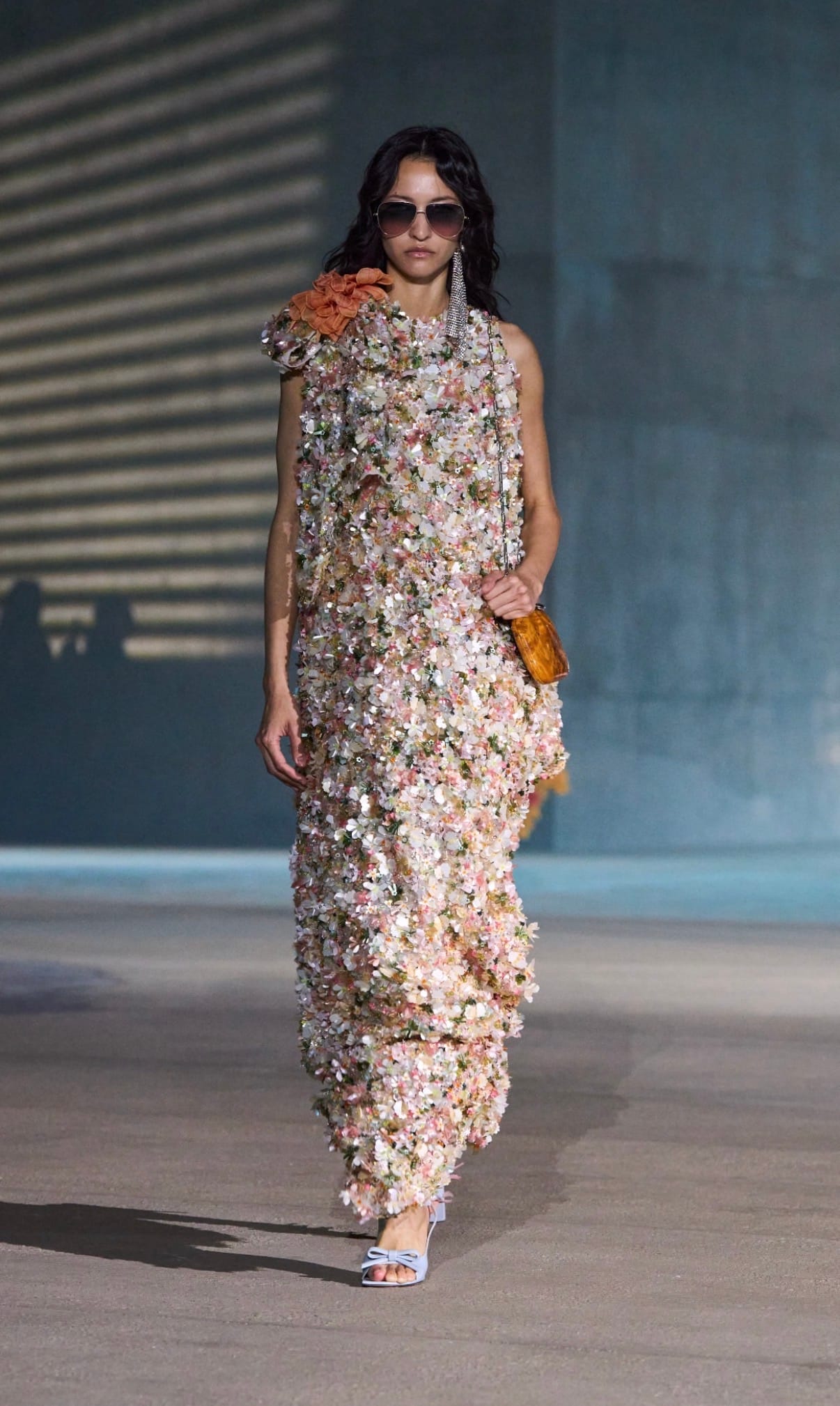
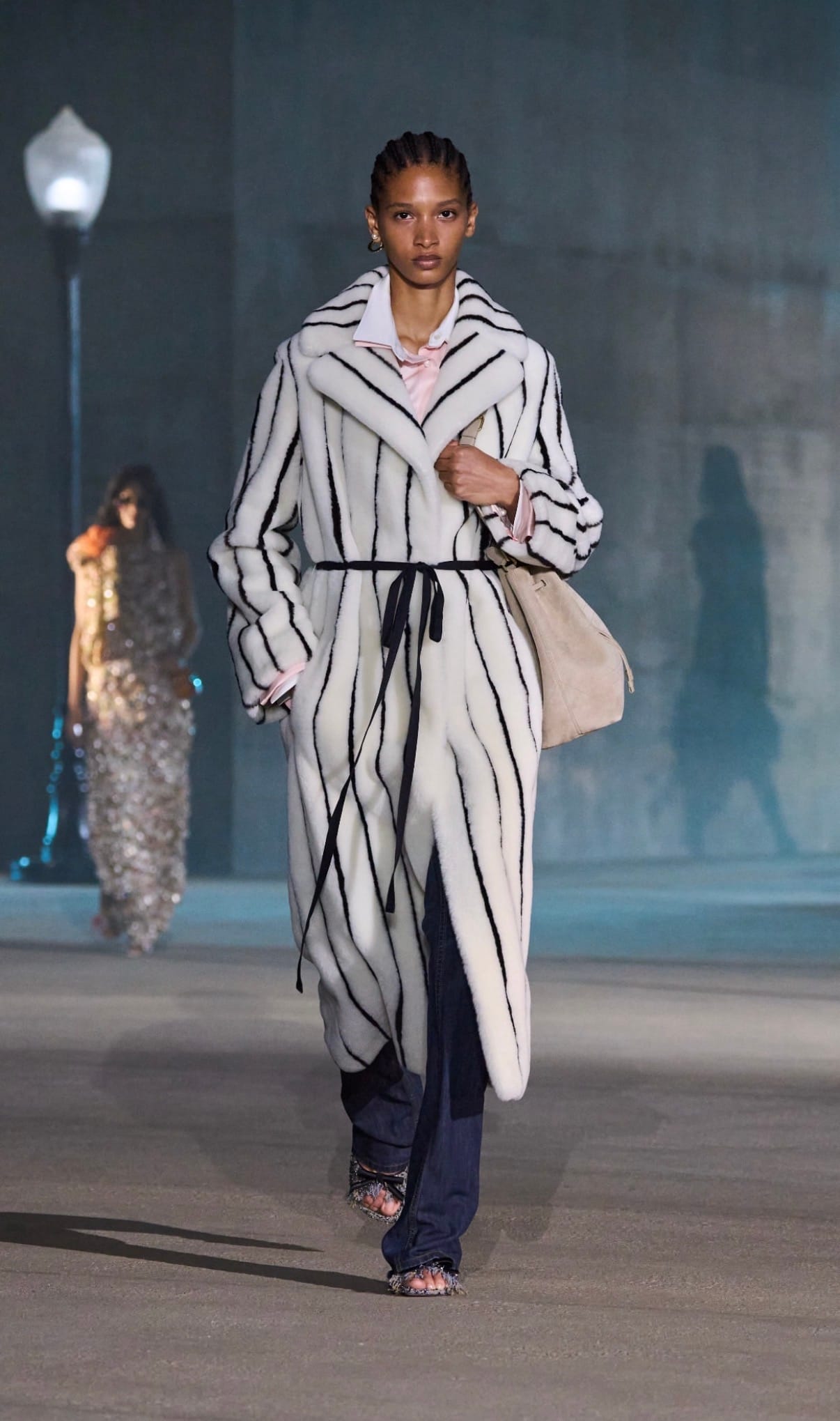
What makes the choice of reference so precise is that it goes to the root of what Dior has always been. The house was never simply a fashion house that dressed celebrities. It was a house that understood image, spectacle, and the construction of desire before those were fully named as disciplines. The 1955 Oscar nomination wasn't an anomaly — it was a confirmation of something the house had always known: that fashion and cinema are operating in the same territory, that a silhouette on a runway and a silhouette on screen are both asking the same question about how a body moves through the world and what it means when it does.
Anderson arriving at Dior after years of building JW Anderson into one of the most intellectually rigorous houses in fashion brings a specific quality to that inheritance. He is not a designer who leans on archive for comfort. He uses it as argument. Choosing Hollywood glamour and mutual myth-making for his first Cruise show is not a safe opening statement — it is a declaration of intent about the kind of Dior he plans to build: one that treats image not as a byproduct of the clothes but as the very material he is working with.
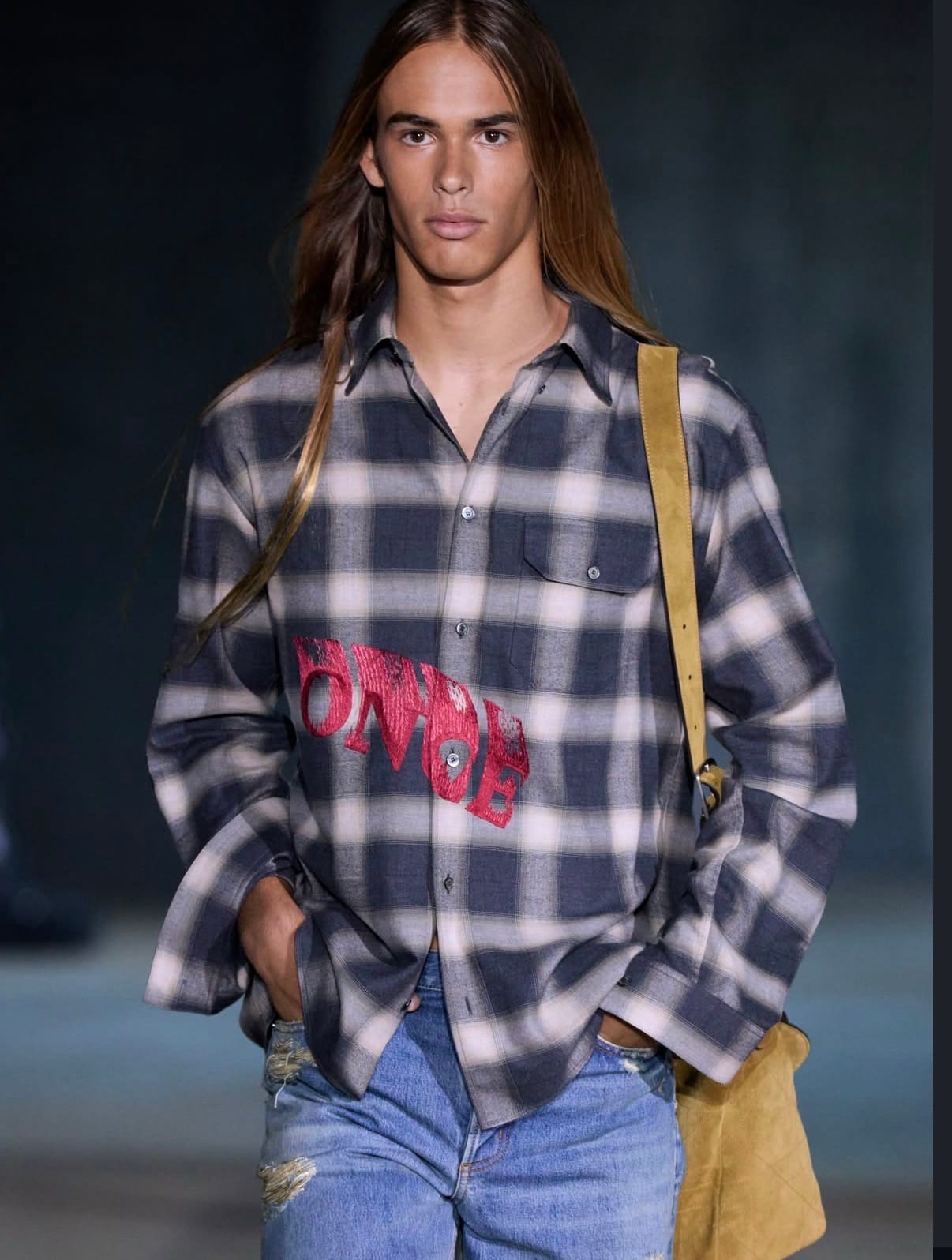
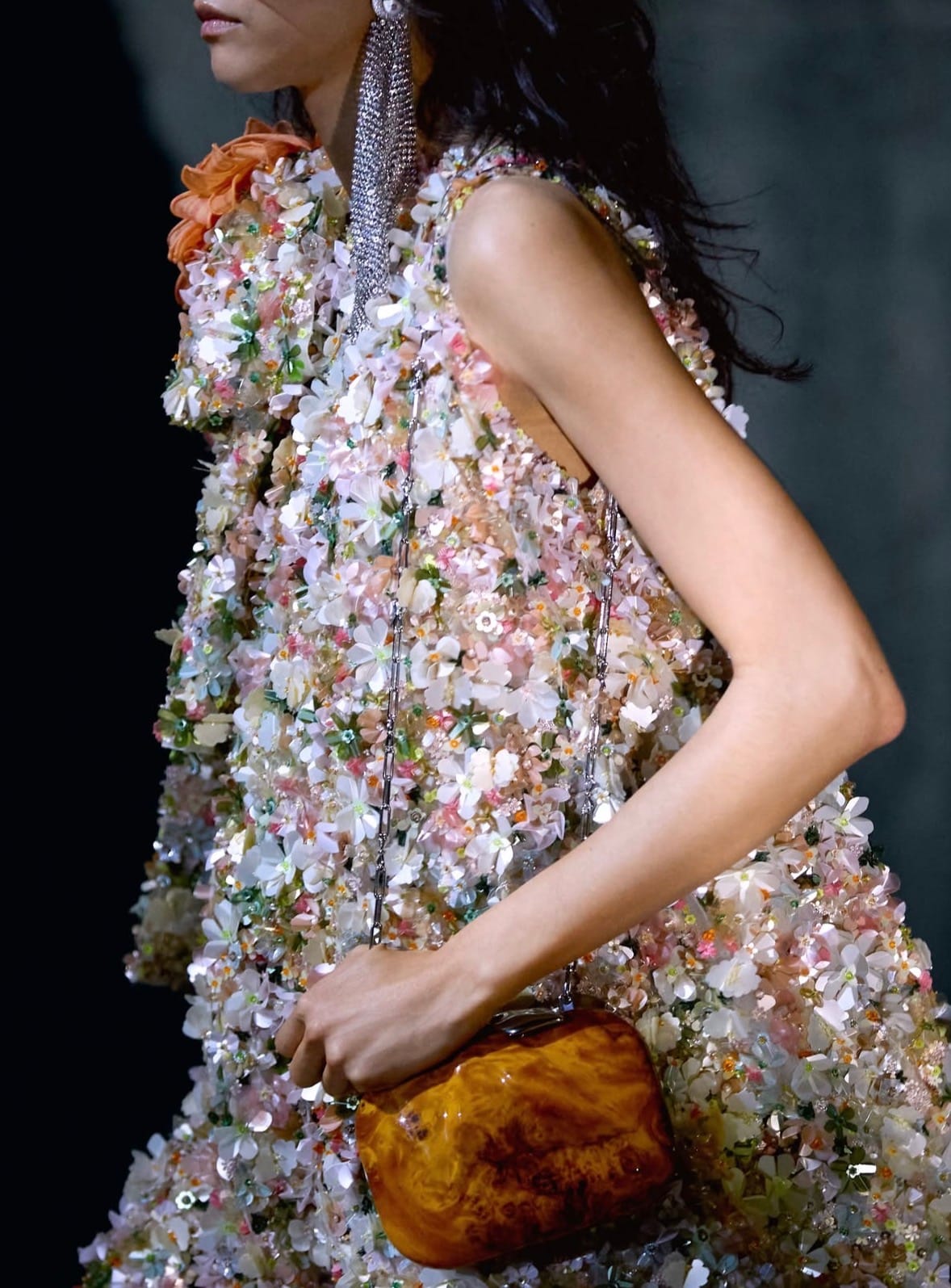
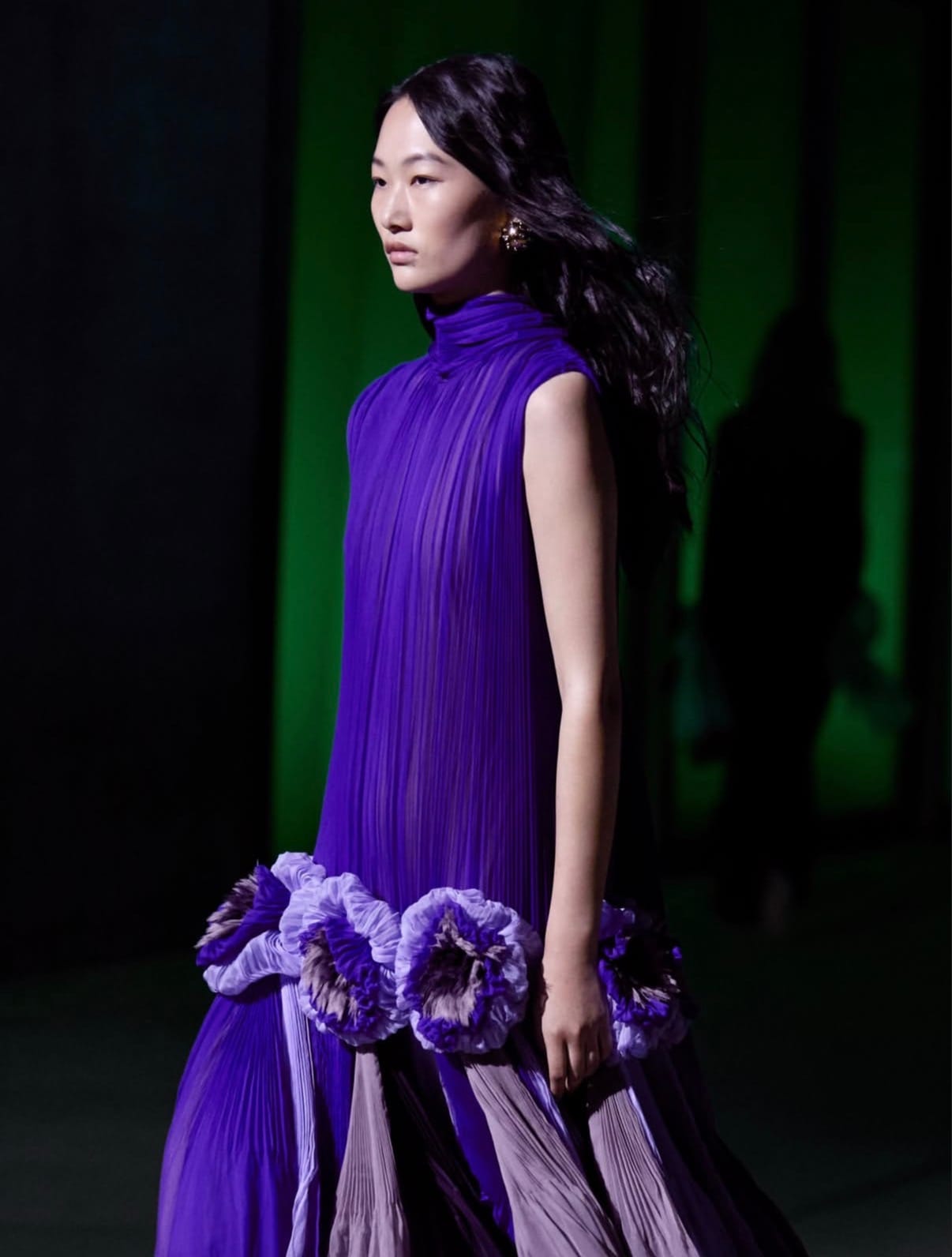
Los Angeles was the right location. LACMA was the right venue. Dietrich's line is still the right epigraph. Anderson read the house correctly on his first attempt — which, for a creative director stepping into one of fashion's most storied institutions, is exactly the kind of confidence the moment required.Set at LACMA against a backdrop of vintage convertibles and ornamental streetlights, Cruise 2027 reaches back to Hollywood's golden era — and reminds us that Dior was always in the business of myth-making.