

Stardust Aphrodite doesn't choose between romance and detachment. It insists on holding both — and that tension is exactly what makes it work.
Mythology and futurism are two references fashion reaches for constantly, and almost always separately. Miguel Castro Freitas's Stardust Aphrodite Spring/Summer 2026 is interesting precisely because it refuses that separation — and more than that, it makes the refusal feel inevitable.
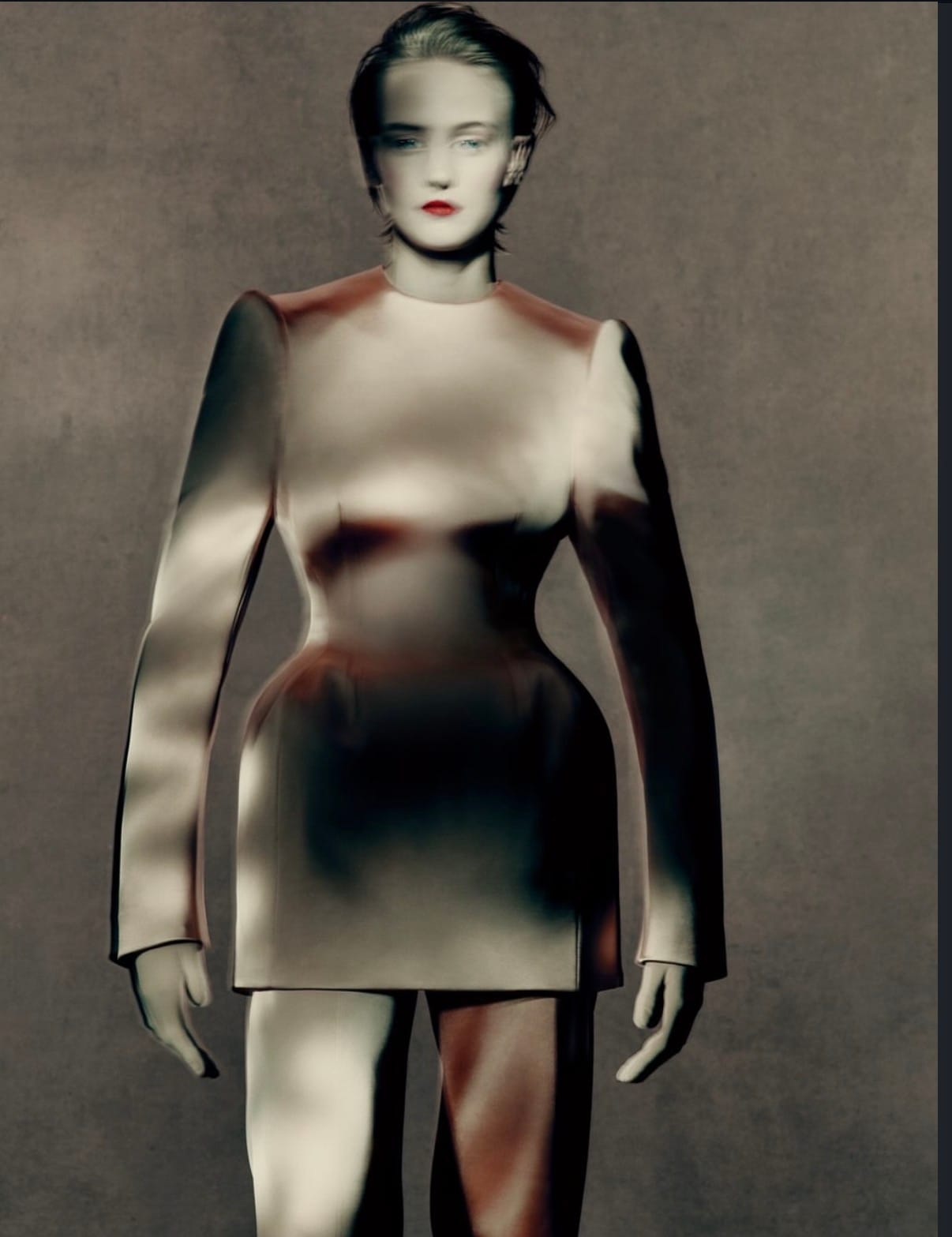

The collection channels Aphrodite not through the warmth of classical antiquity but through something colder and more remote — a sensuality that feels celestial rather than earthly, like desire translated into atmosphere. Draping, shimmer, sculptural silhouettes: the vocabulary is familiar, but the register is different. These clothes don't feel like they were made here. They feel like they arrived from somewhere with different gravity.
"Liquid fabrics move like light. Structured elements pull back toward precision. The collection lives in the tension between those two forces — and Castro Freitas never resolves it, which is the right call."

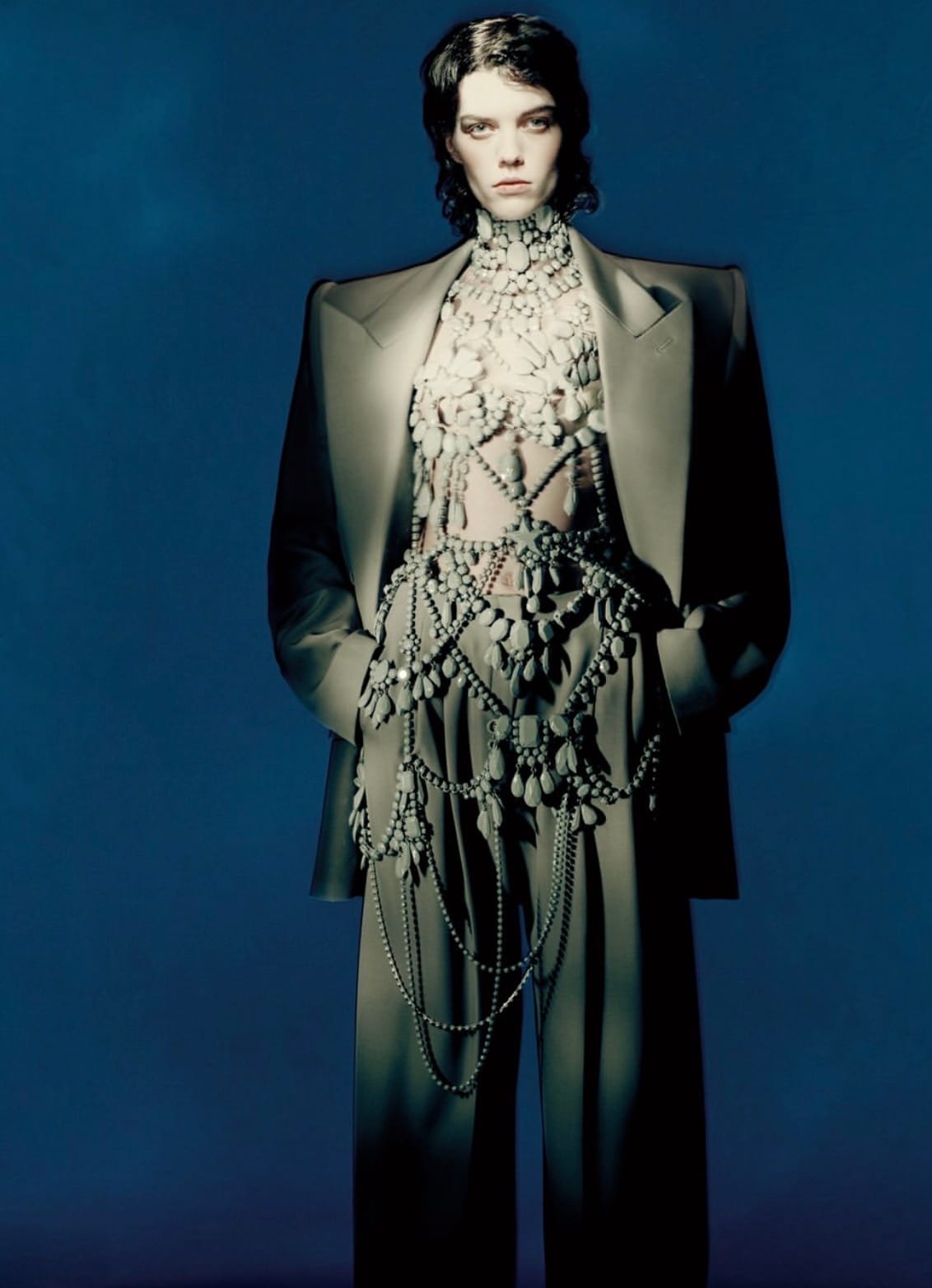
What runs through the whole collection is a tension between softness and control that Castro Freitas handles with real confidence. The liquid fabrics shift and catch light the way water does, suggesting movement even at rest. But the structured elements — sharper, more architectural — hold the collection back from pure romance, grounding it in something more deliberate. Neither pole overwhelms the other. The balance is careful and, crucially, it holds.
The achievement here is one of restraint as much as invention. It would have been easy to lean into the mythology and produce something lush and warm. Equally easy to push the futurism and arrive somewhere cold and conceptual. Castro Freitas does neither. Stardust Aphrodite sits in the uncomfortable middle — nostalgic without being nostalgic, forward-looking without the visual grammar of sci-fi — and makes that in-between feel like a genuine place rather than a compromise.
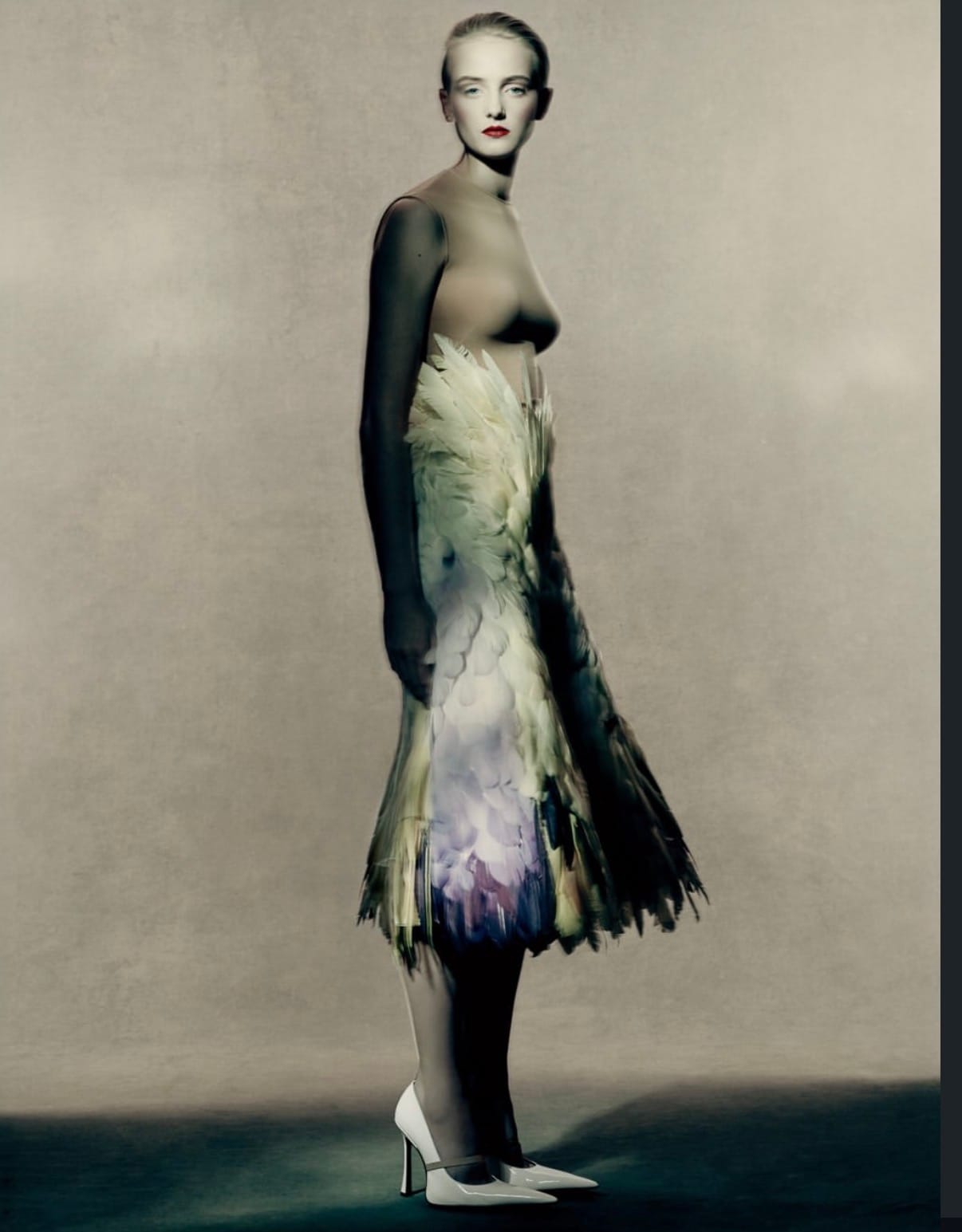
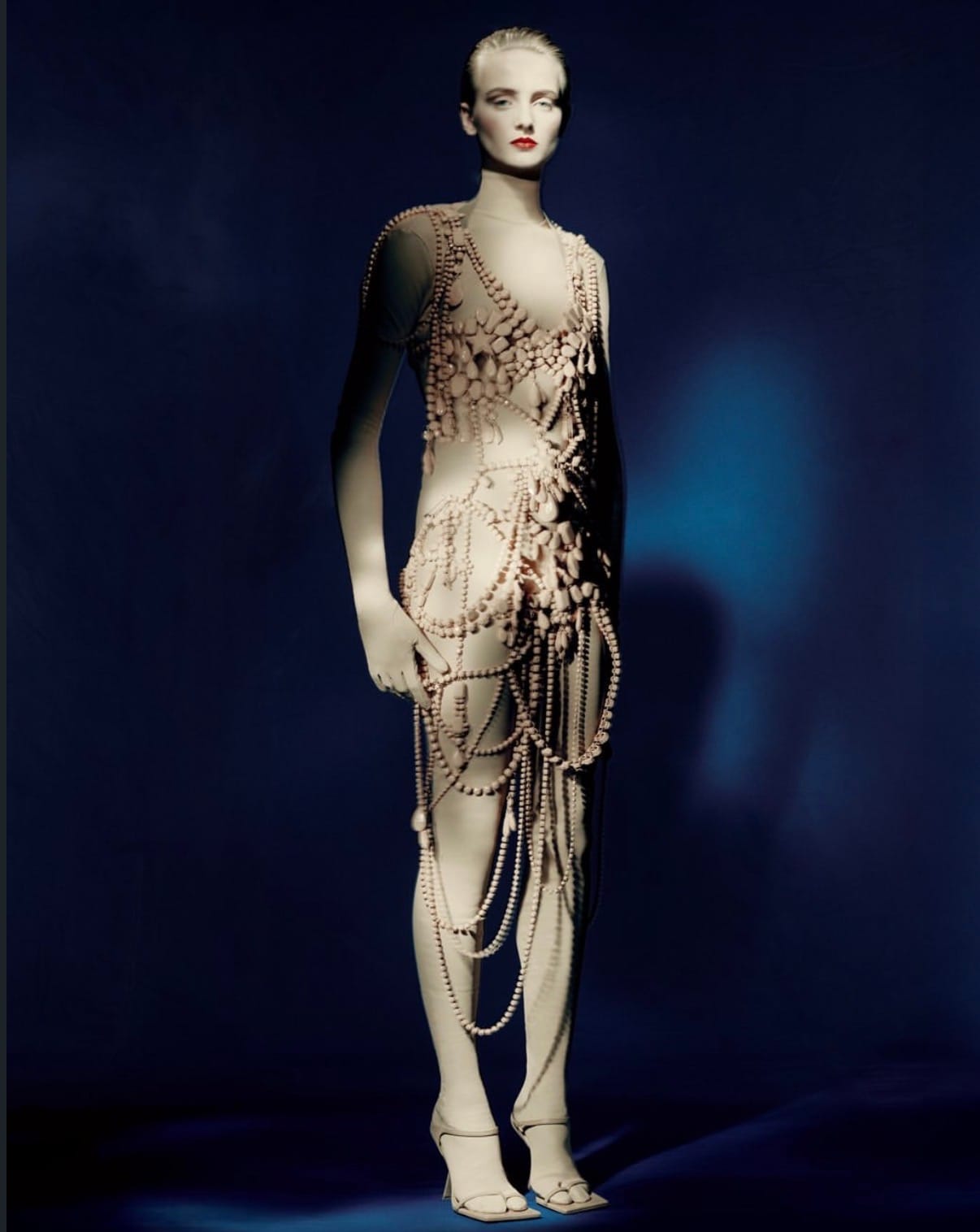

That is harder to do than it looks. Most collections that reach for two references end up illustrating both rather than synthesising them. This one synthesises. The world Castro Freitas builds with Stardust Aphrodite has its own internal logic, its own atmosphere, its own rules about how fabric should move and where light should land. It doesn't need a single reference to explain it. It explains itself — which is the mark of a designer who knows exactly where he's going.