
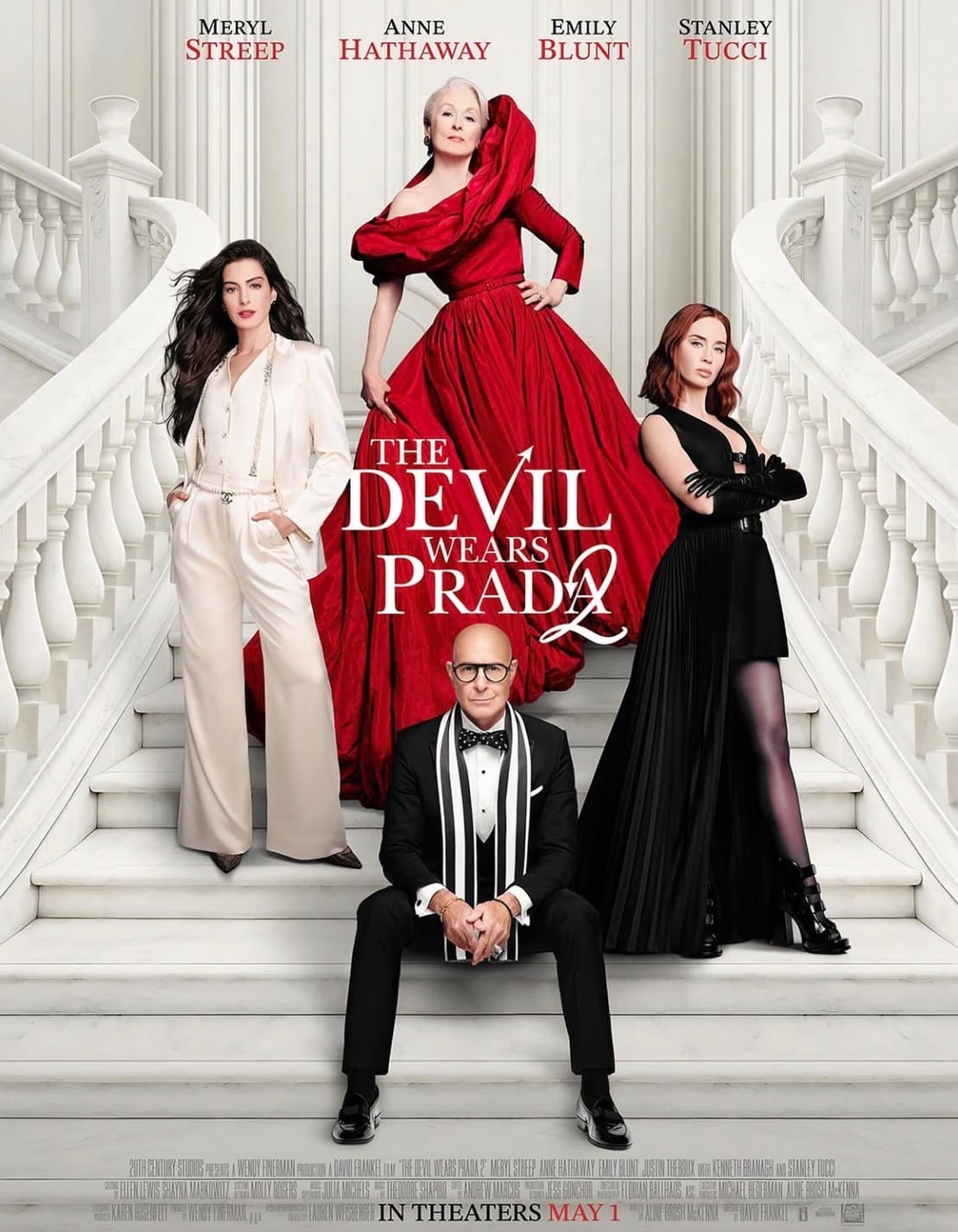
When The Devil Wears Prada 2 was announced a year ago, I was not ready for how much I cared. The first film is one of my comfort movies — the kind you return to not just for entertainment but for something closer to a reminder. A reminder of why I love fashion, and why I stayed in this industry even when it made me feel like an outsider.
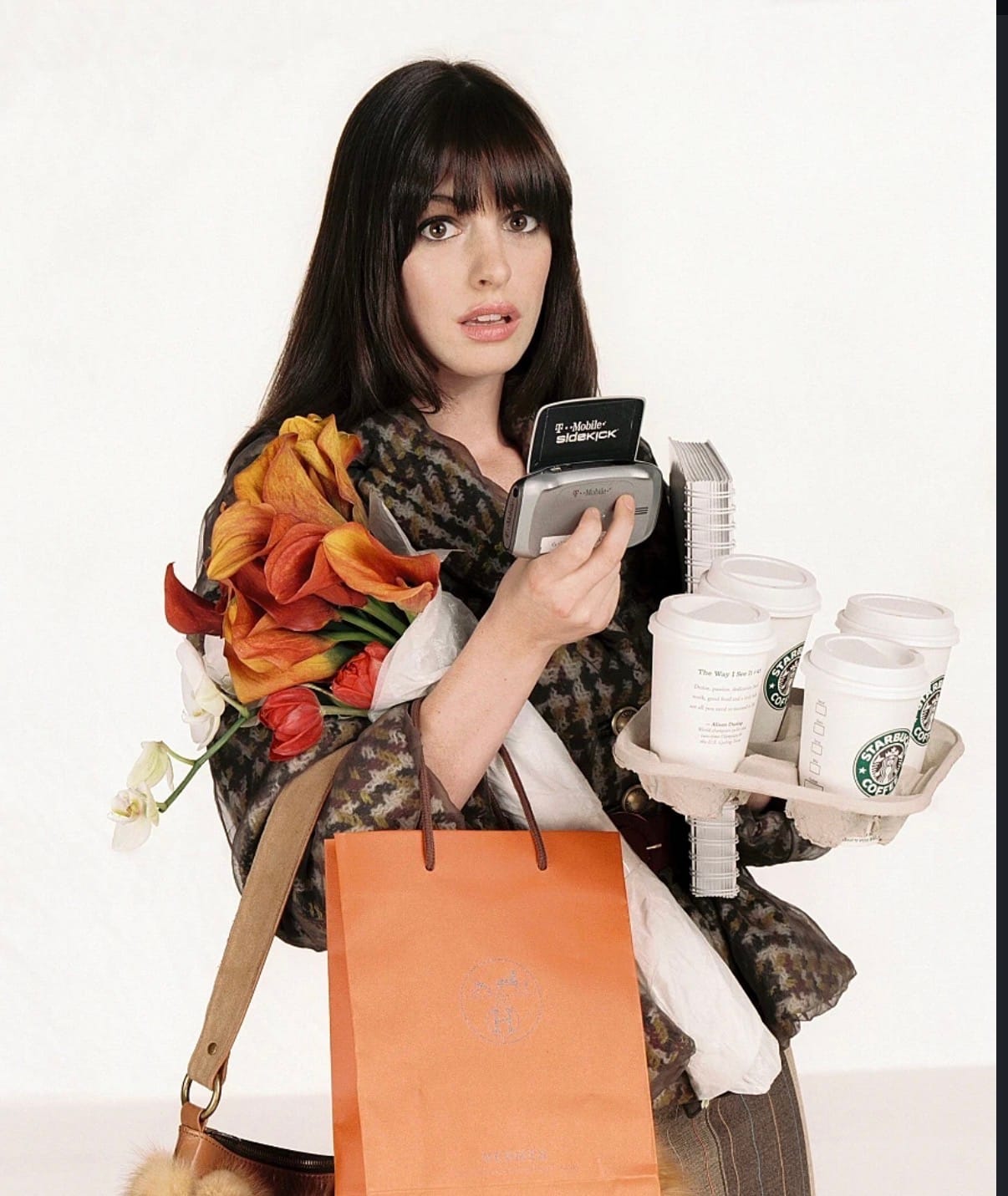
My entry into fashion was never romantic. I didn't grow up obsessed with runways or editorials. I came to it through a job I almost didn't take, in an industry I barely understood, and fell in love with it slowly — through the fashion shows, the showrooms, the backstage of shoots and retail floors and marketing meetings. I learned while working. The love came through the experience, not before it. Which is exactly why I empathised so deeply with Andy Sachs in that first film. She was judged — for how she dressed, for her size, for not being what the industry expected. I know that feeling. I lived it. And her transformation — the confidence that came not from changing who she was but from finally inhabiting herself — felt personal in a way very few films have managed.
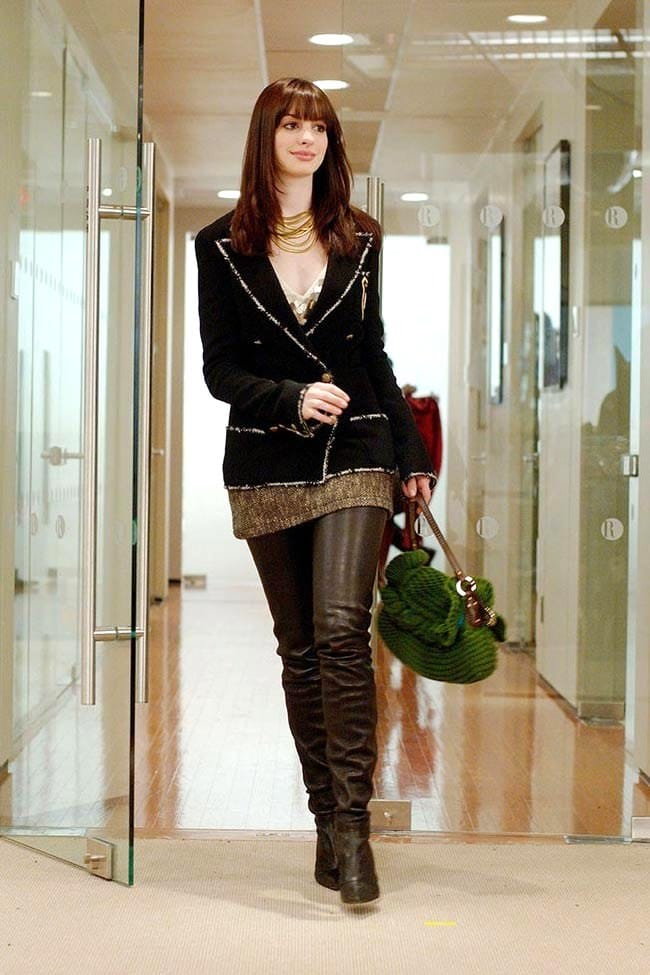
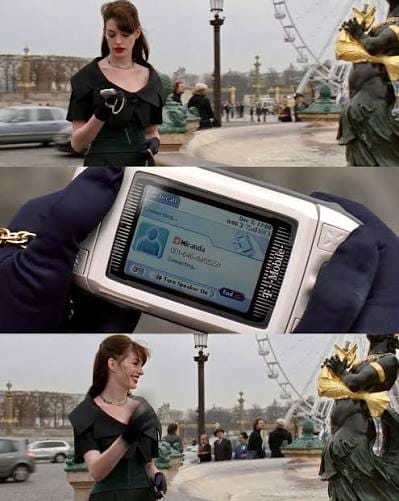
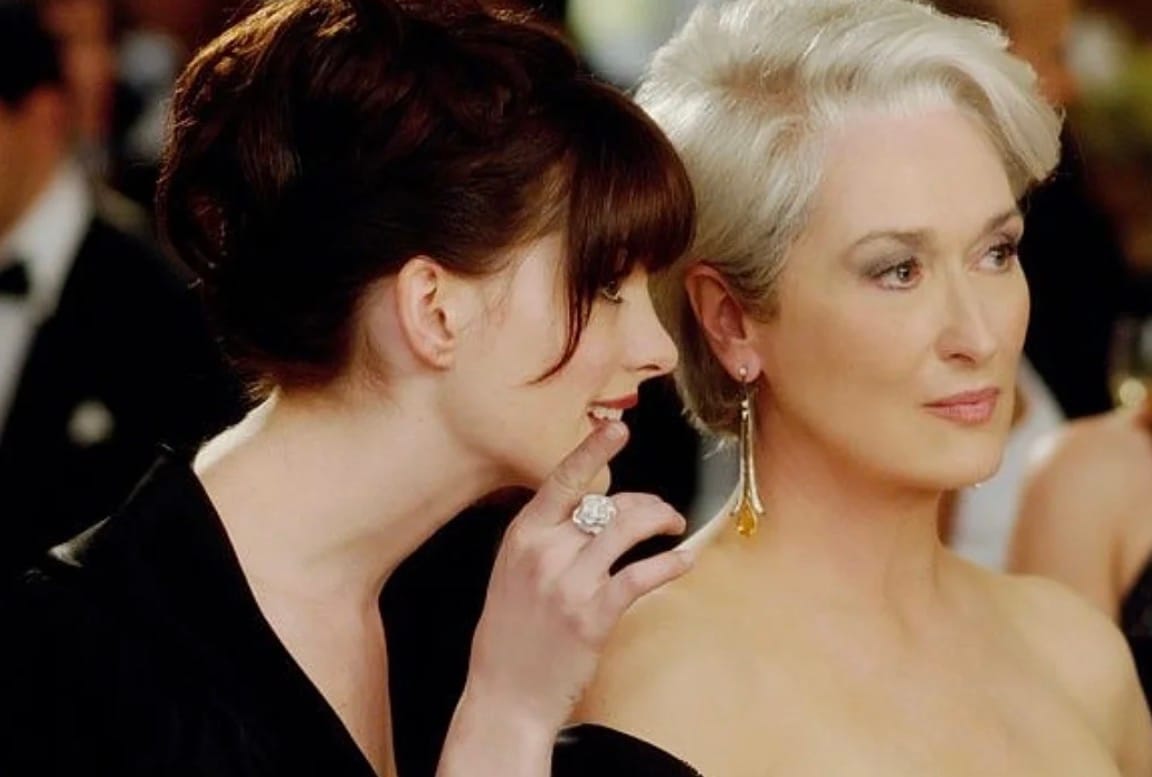
"Andrea Andy Sachs" wearing Chanel
"That scene where she cycles through outfits with Vogue by Madonna playing in the background — or the moment she lands in Paris and City of Blinding Lights hits — those scenes are about what it feels like when fashion finally clicks. When it becomes yours."
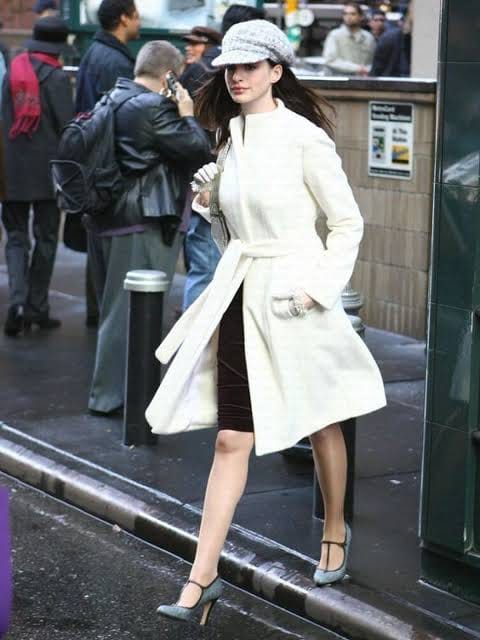
Andy walking in the streets of New York with iconic outfits.
And the ending. Andy walking away from Miranda, from Runway, from the version of success that asked her to betray herself — that was the whole point. She chose her values over the prestige. She chose herself. I had enormous expectations for the sequel built on that foundation: a mature, powerful Andy who had built something on her own terms.
Instead, the film opens with her recently fired, struggling, and desperate. And the moment Runway comes back around, she runs toward it — not from ambition, but from financial pressure and the need for Miranda's approval. From the minute she walks back into that office, she spends the rest of the film trying to make Miranda like her. It undoes everything the first movie built. The Andy Sachs I loved would never have gone back on those terms. She wouldn't have needed to.
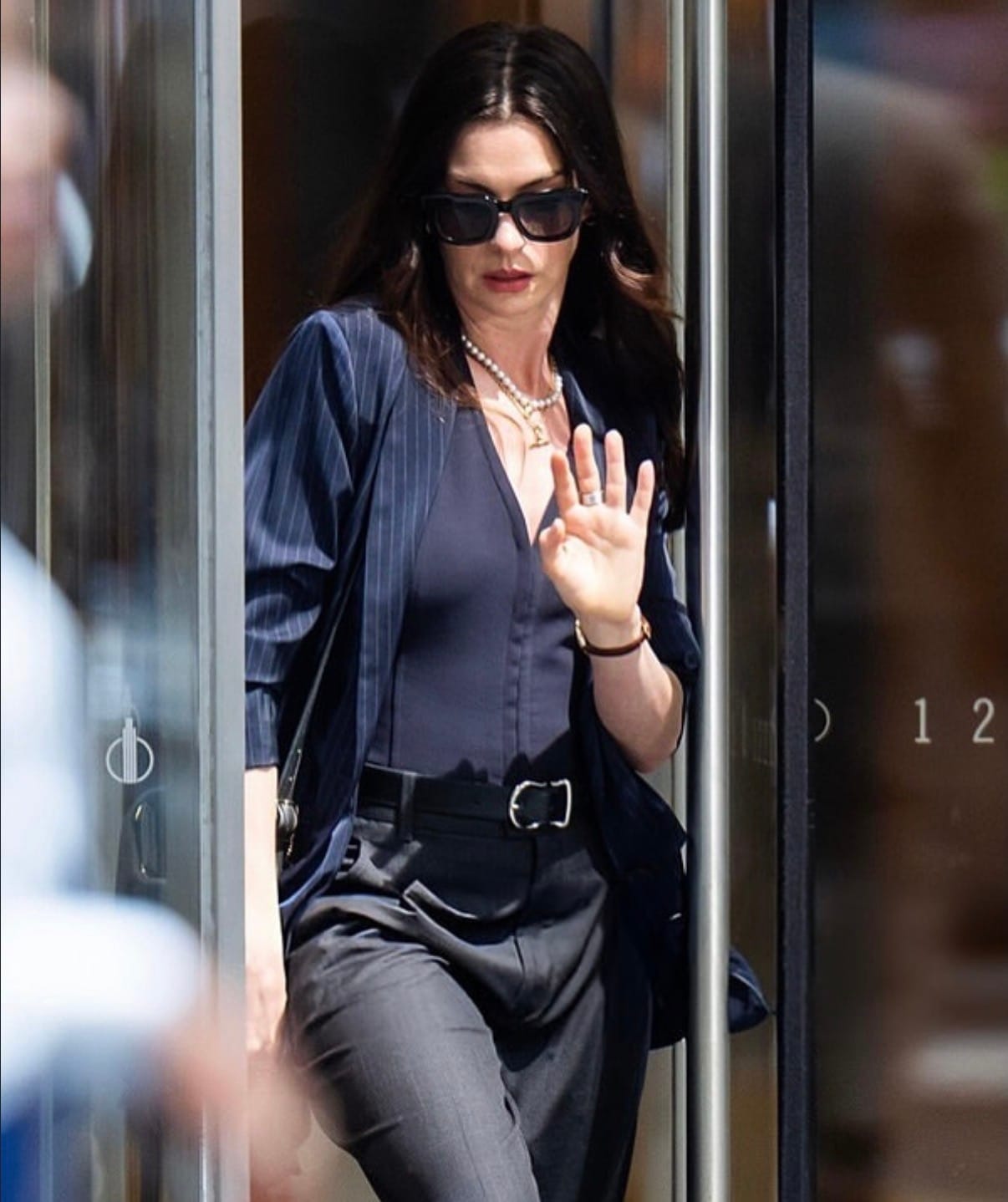
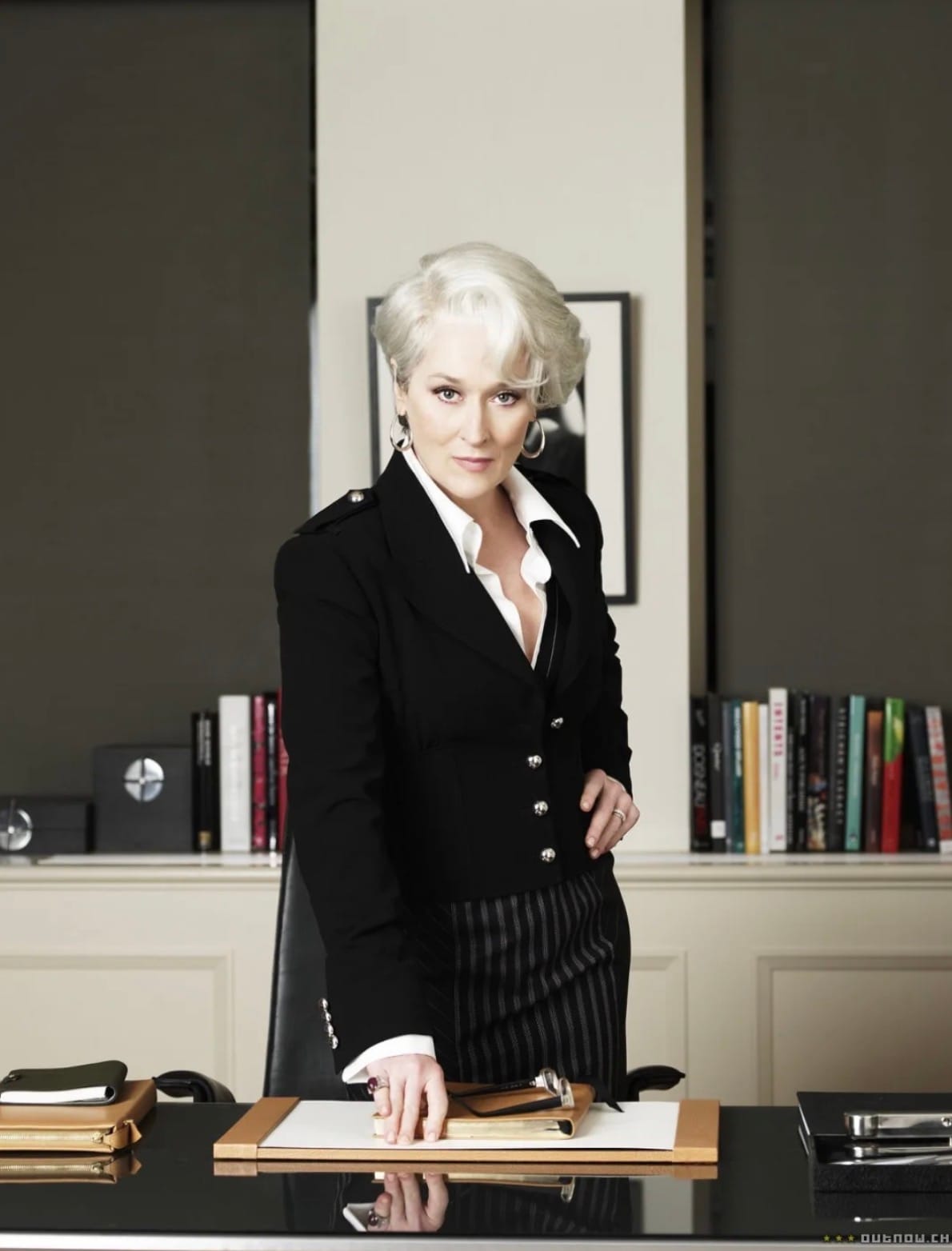
The storytelling has real gaps. Miranda herself feels different in ways that don't quite land — the industry has changed, yes, and the film deserves credit for acknowledging that: print dying, content taking over, the big magazines pivoting online, the business of fashion becoming something more corporate and less creative. Rushed itself knows that story. But acknowledging a reality and dramatising it compellingly are different things, and the film too often settles for the former. The plot around Elias Clarke's acquisition rarely feels like fashion — it feels like a boardroom drama wearing fashion's clothes.
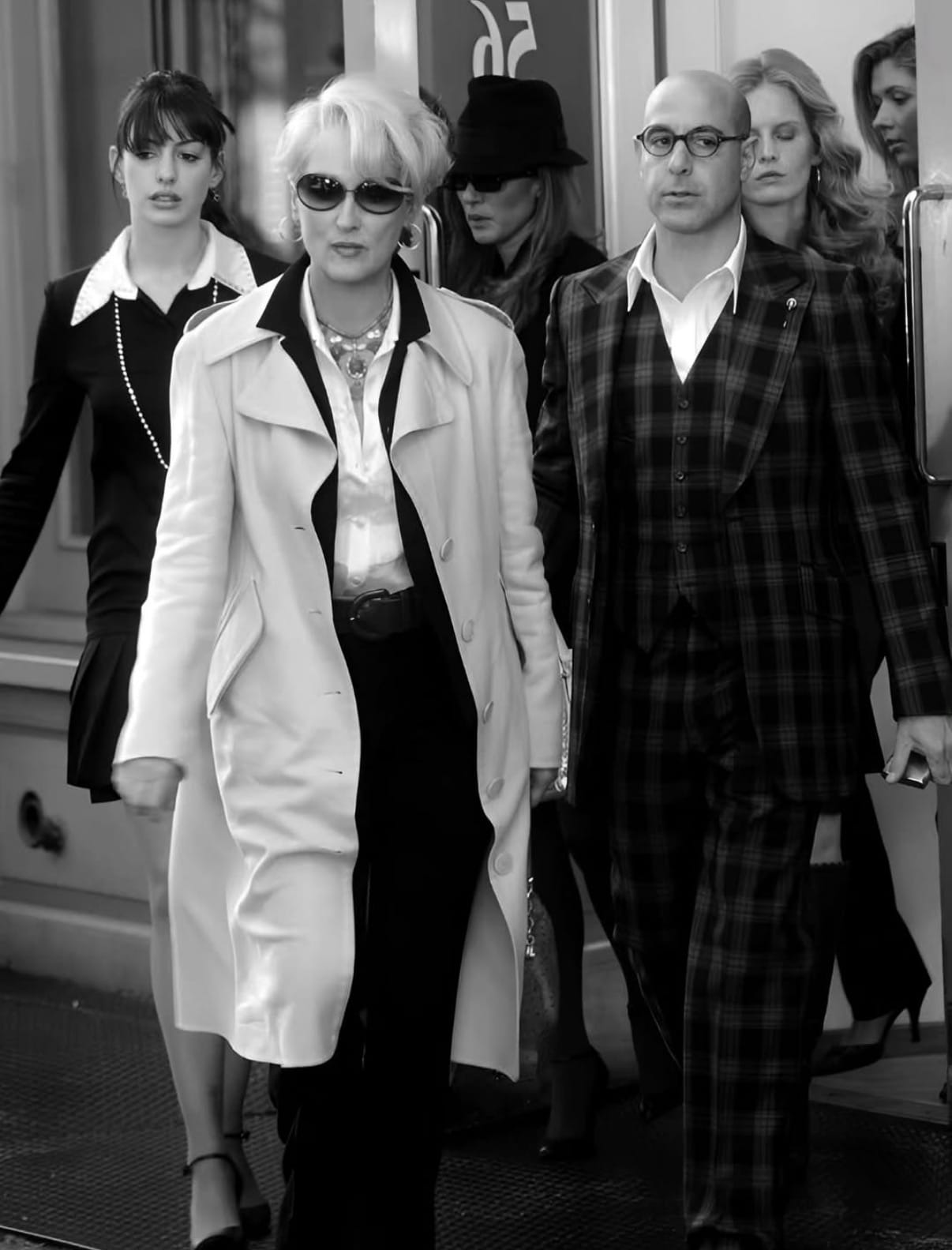
And the clothes themselves. I wanted to be dazzled. I still remember the full Chanel moment from the first film. Nothing in the sequel reached that. No look stopped me the way the original did. The styling felt like it was gesturing toward iconic rather than achieving it — which, painfully, mirrors what the film does as a whole.
There are moments. The Lady Gaga scene lands. The film touches something true about where the industry is now — the fact that plus-size visibility on runways remains the exception rather than the rule, that the changes fashion congratulates itself on are slower and thinner than the conversation suggests. That honesty is worth something. But it gets buried under a narrative that never quite decides what it wants to be.
We don't get many films or shows like this anymore. Sex and the City, the original Devil Wears Prada, Legally Blonde, Mean Girls, Ugly Betty — that era produced a specific kind of fashion storytelling that felt genuinely alive, that made you want to dress differently just from watching. We need more of that. Which is exactly why this sequel, arriving in that absence, carries so much weight — and why it stings that it doesn't fully deliver.
THE VERDICT
If the first film is something you love the way I do, this one will disappoint you — not because it's a bad film, but because it's a lesser one. Go for the Lady Gaga scene, for the moments of real industry honesty, for a few hours with characters you've missed. Just don't go expecting Andy Sachs. The one they gave us isn't quite her.